
Steel Gardens
Every Detail, Designed for You
At Steel Gardens, we believe your outdoor space should be as refined and beautiful as the home it complements.
We specialize in bespoke greenhouses, gazebos, garden arches, and luxury outdoor furniture collections—each piece a masterpiece of design and durability.
Materials and Craftsmanship
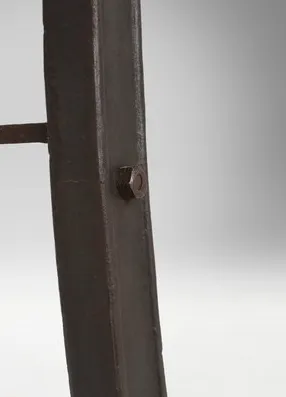
Sustainable Quality - That’s our philosophy.
At Steel Gardens, we believe in crafting pieces that aren’t just beautiful today—but
timeless for decades to come. Every structure we create is built from the highest-quality,
architectural-grade materials, chosen not only for their strength and performance, but for
their minimal environmental impact and unmatched longevity.
Our commitment to galvanized steel, tempered glass, and weather-resistant finishes
means our products can withstand the elements year after year, with little maintenance and
no compromise on elegance. It's a quiet rejection of disposable design—and a return to the
art of building things meant to be passed down.
When you invest in a Steel Garden structure, you’re investing in something more than a
space. You’re investing in a legacy.
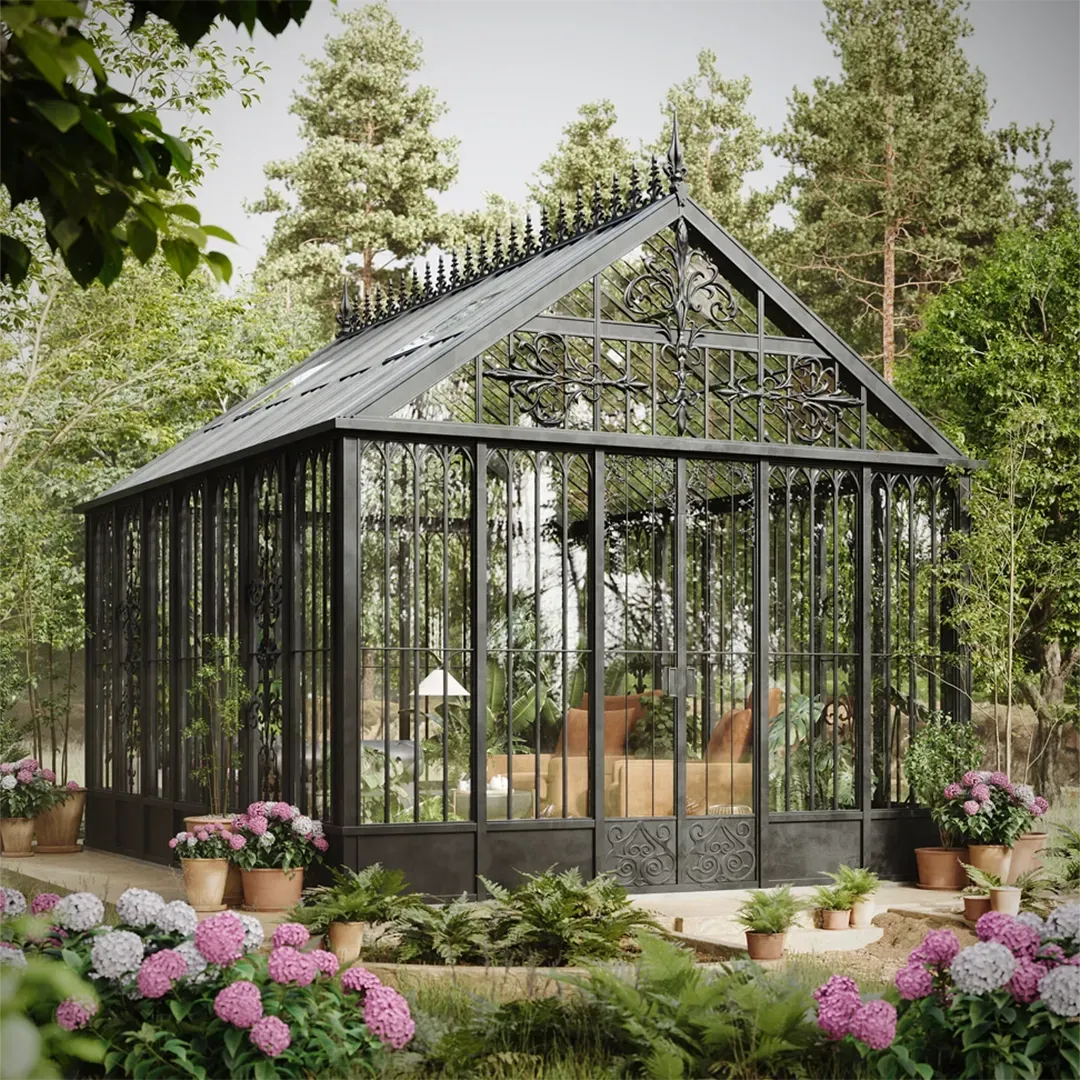
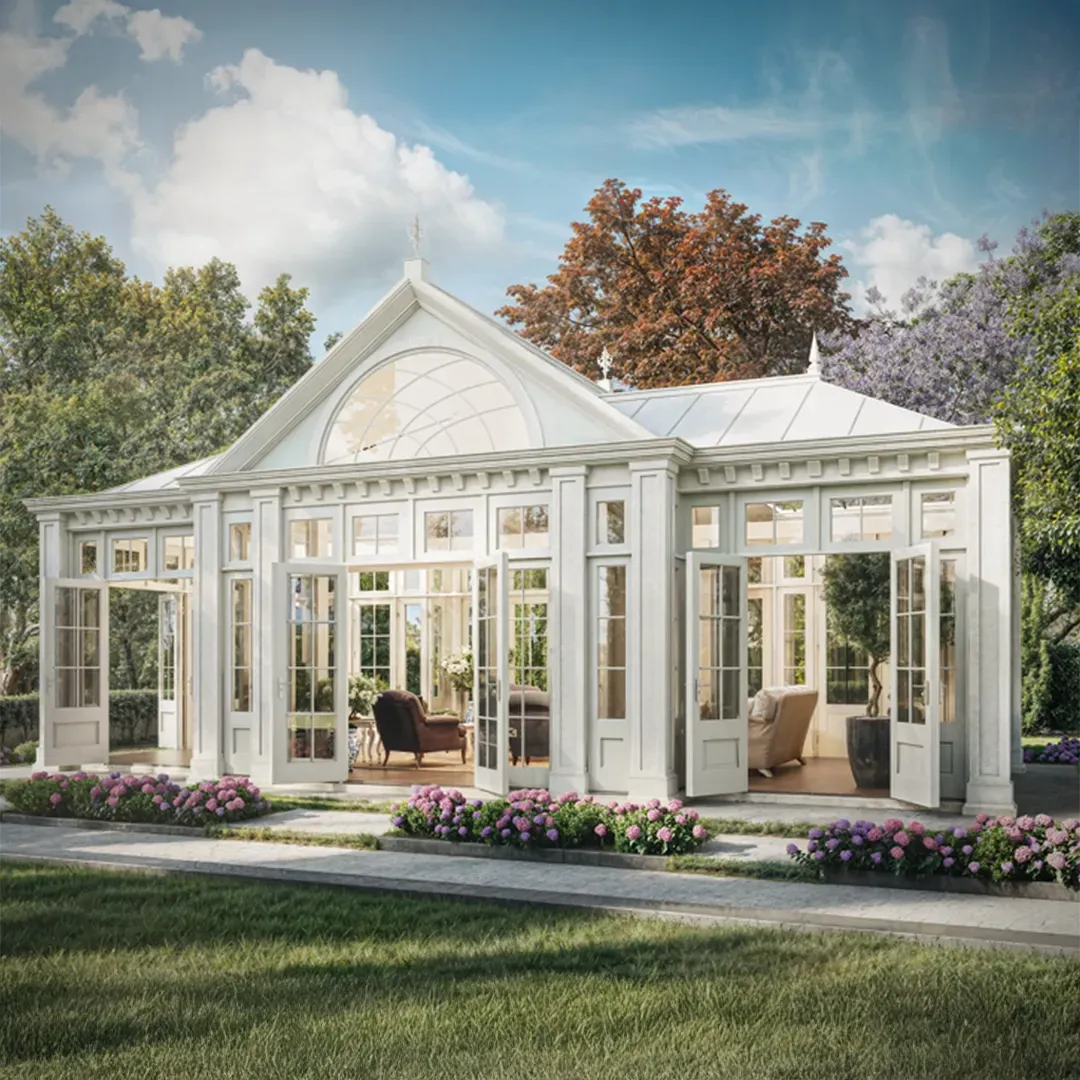
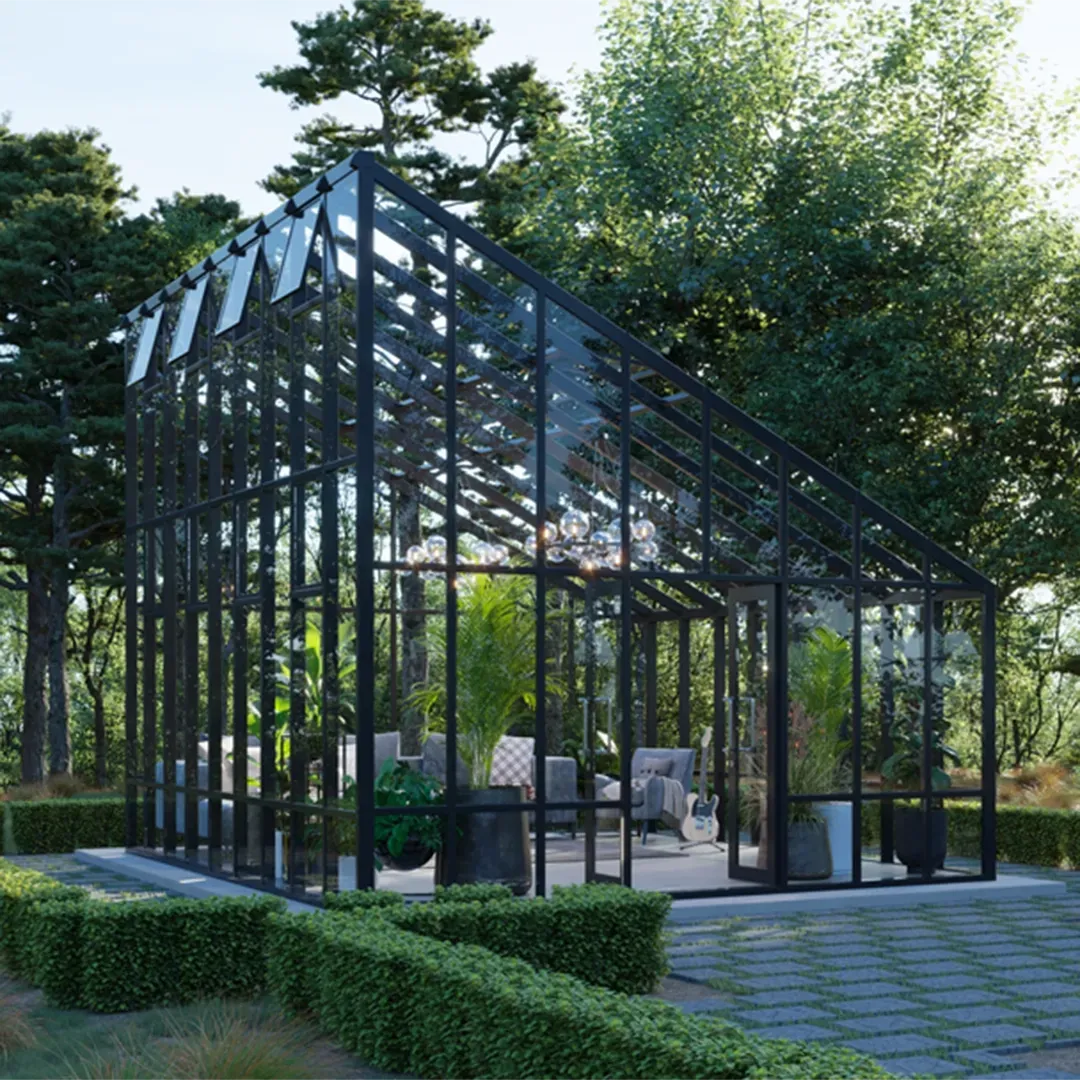
Bespoke Greenhouses
Crafted with Passion, Inspired by History
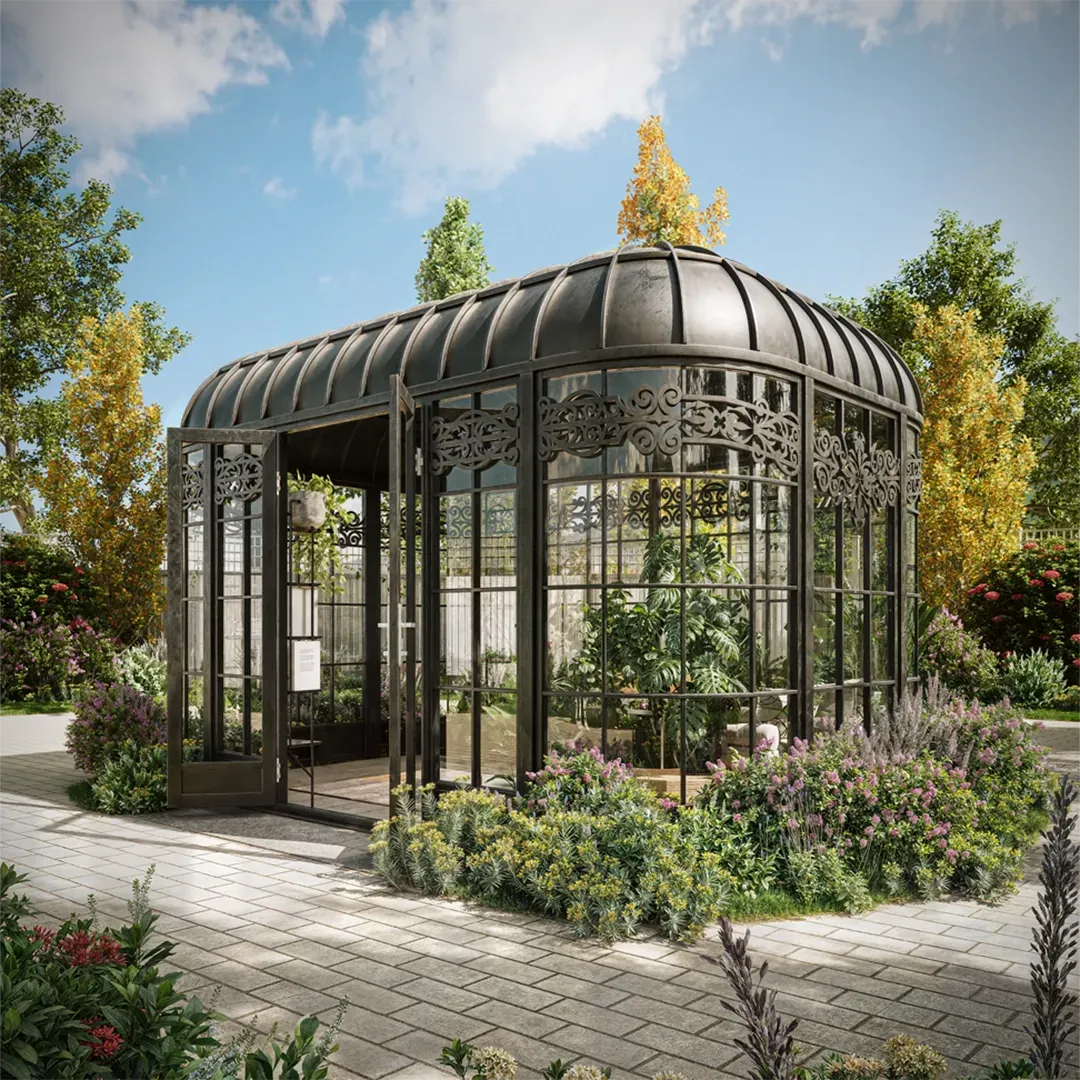
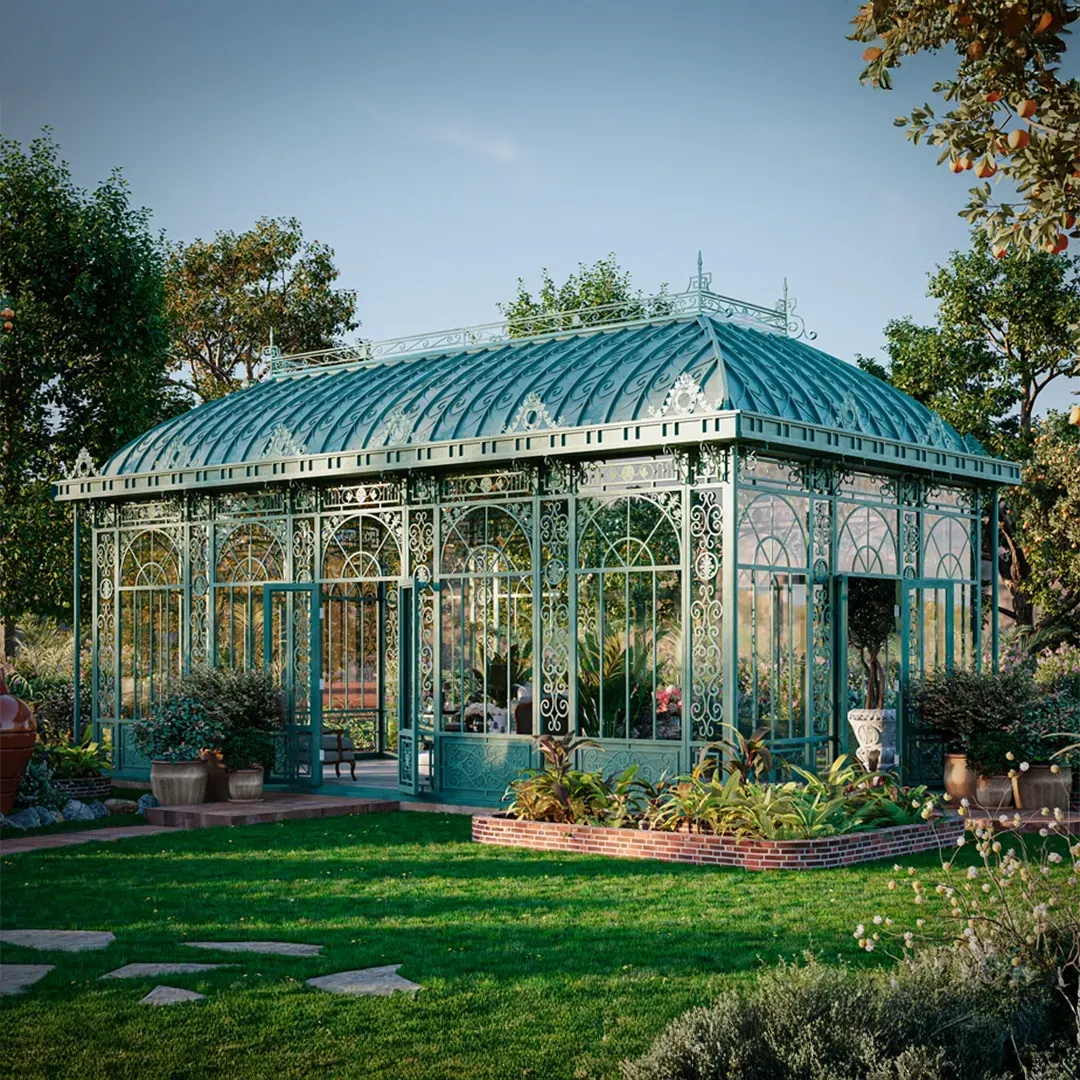
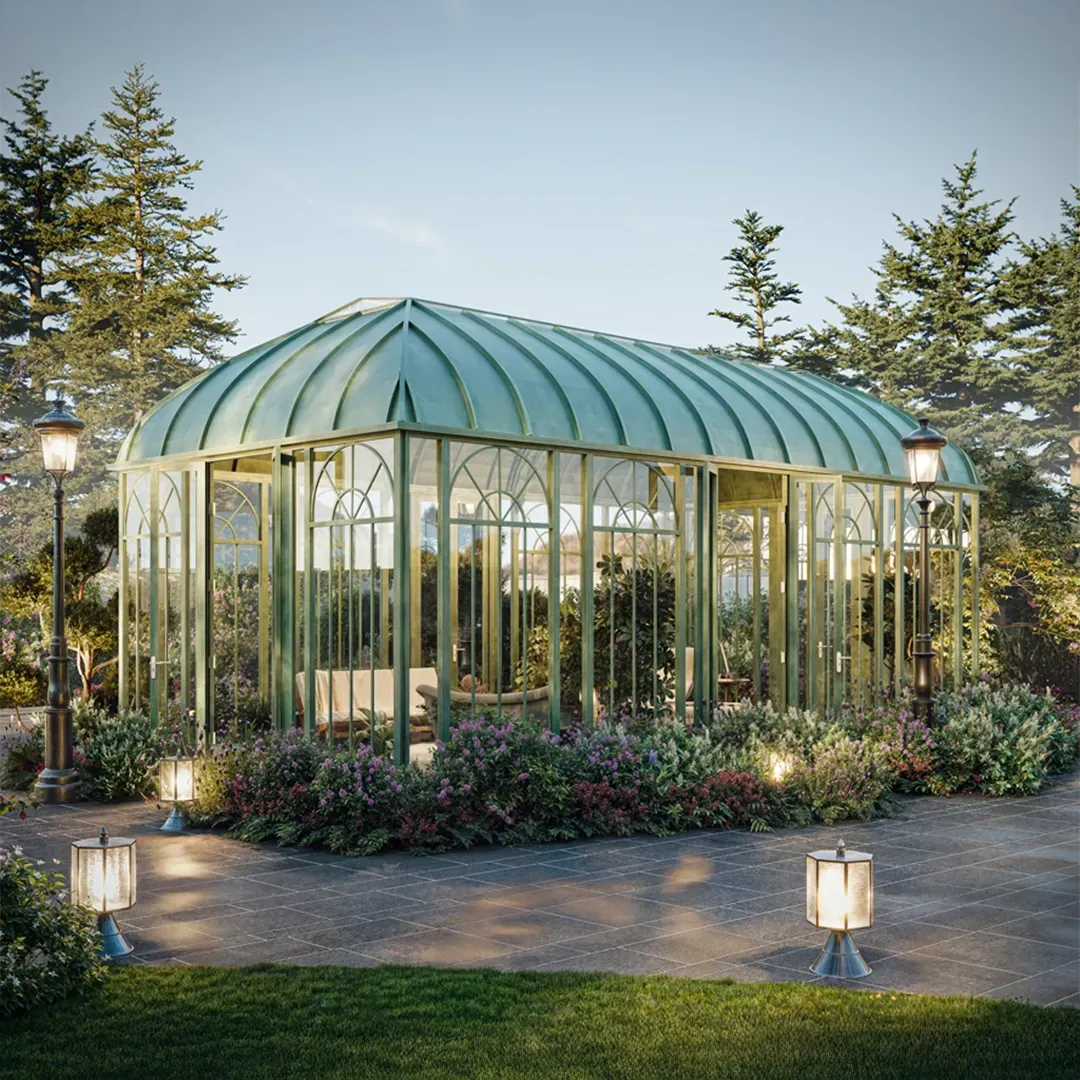
Our custom-designed steel and glass greenhouses unite precision engineering, architectural artistry, and your unique vision.
Collaborate with our expert design team to craft a bespoke structure tailored to your style, space, and functional needs—where beauty meets lasting durability.
Arches & Trellis
Where Quality Stands Apart
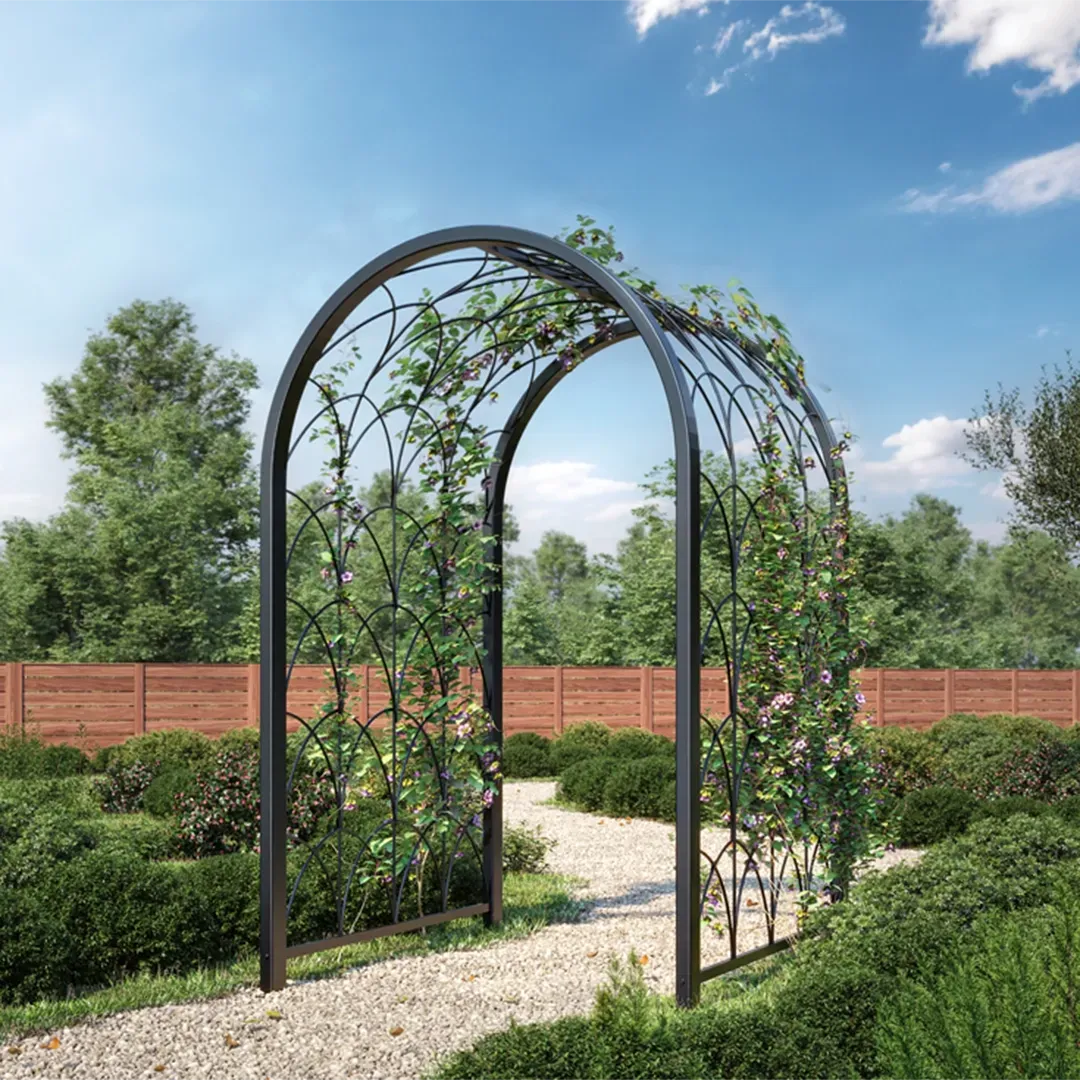
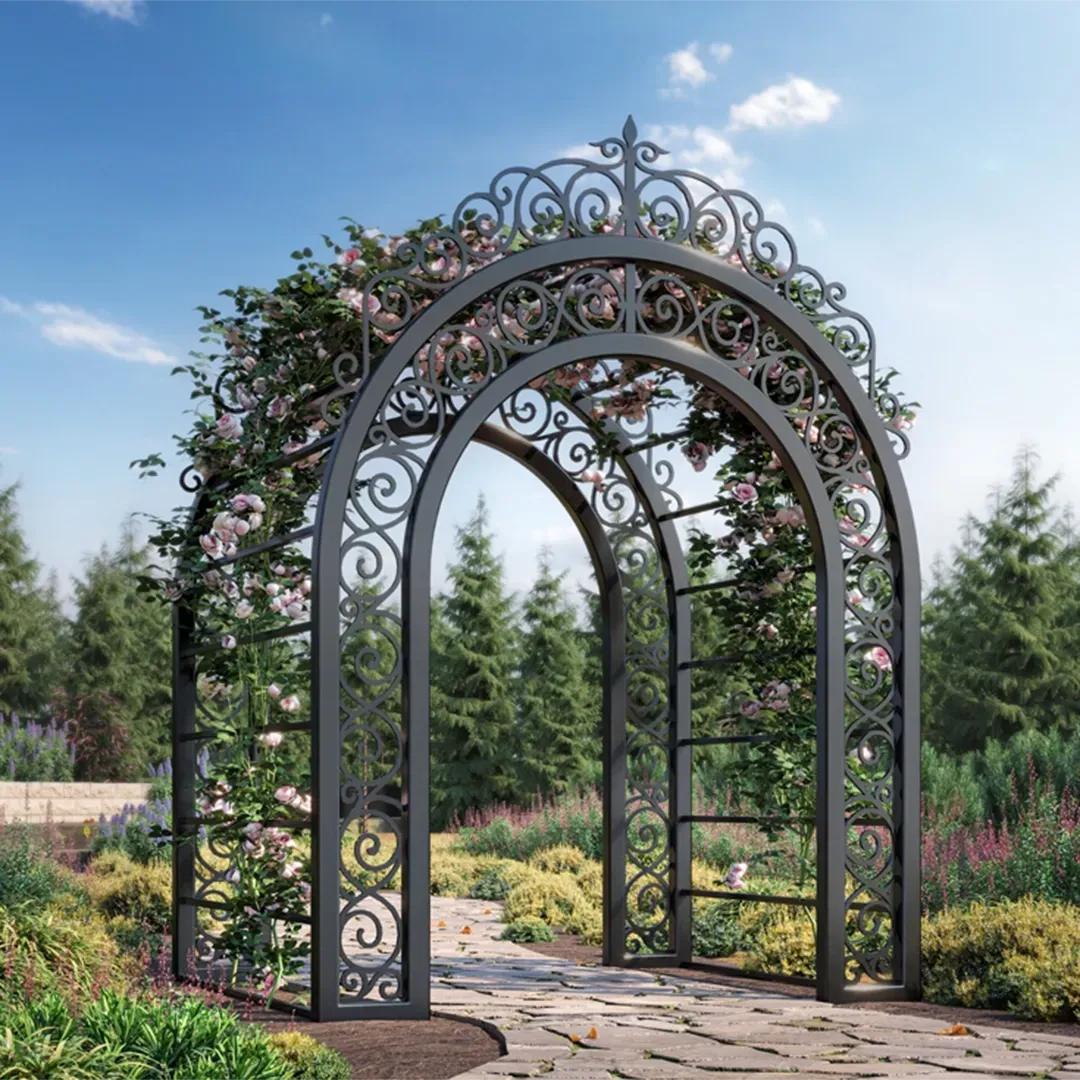
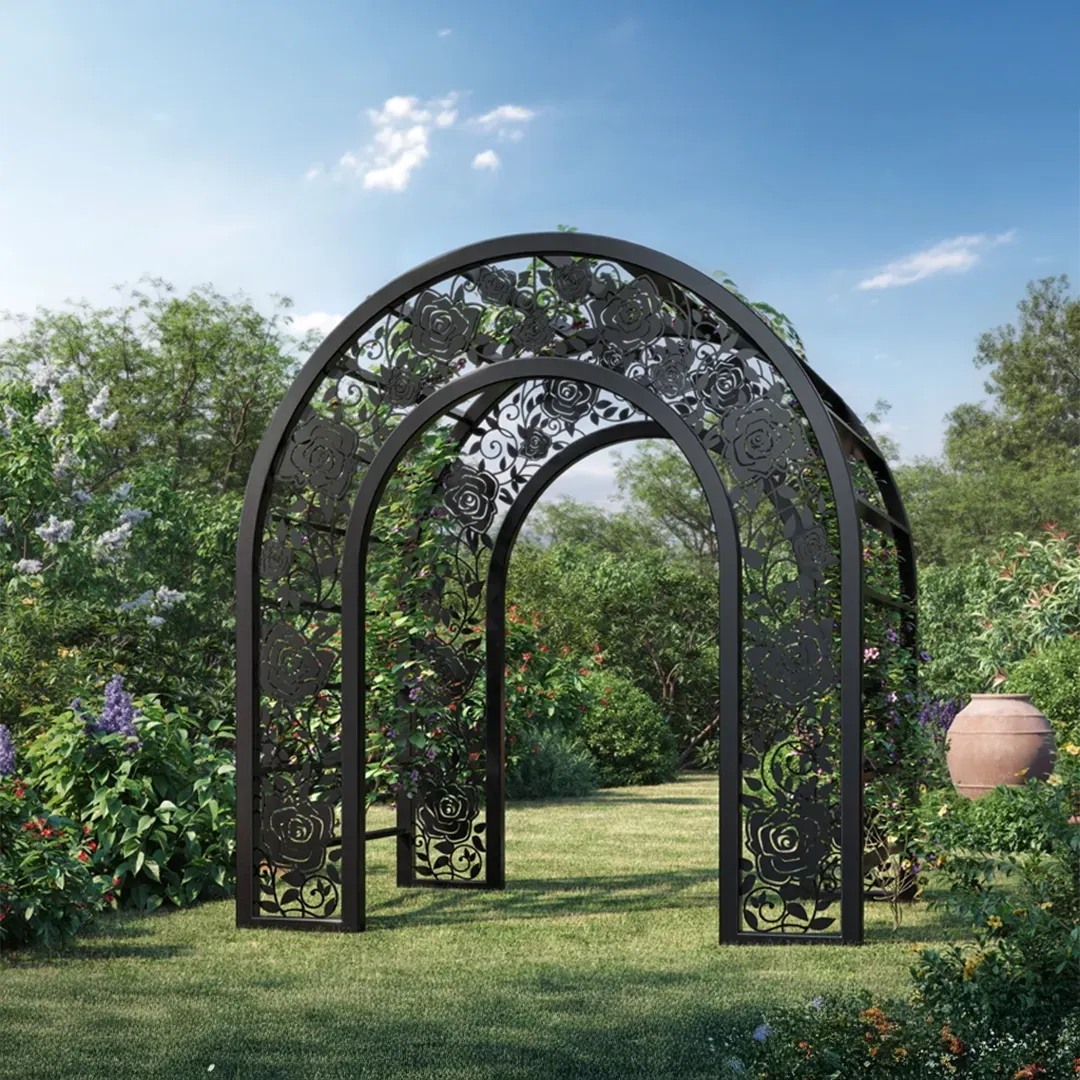
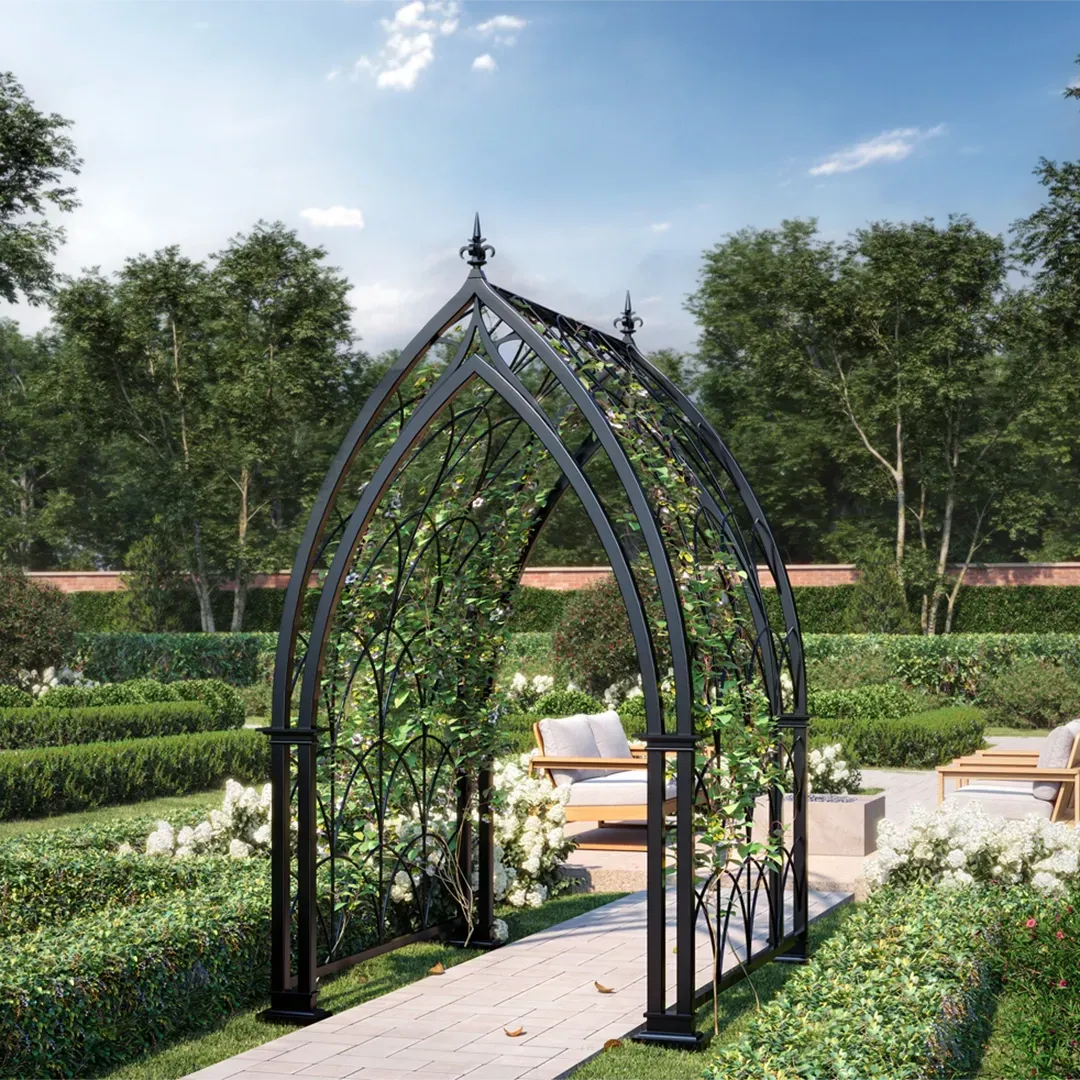
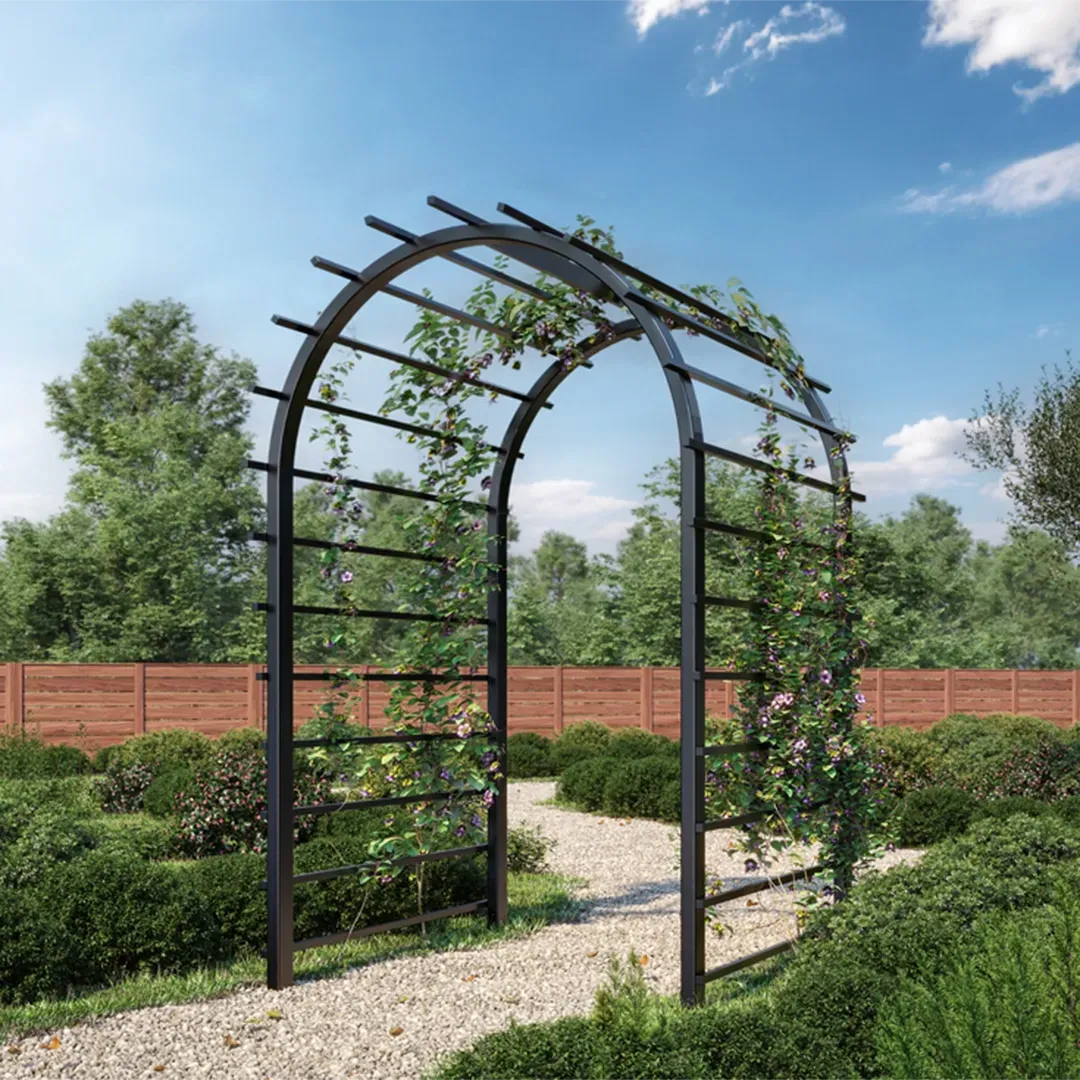
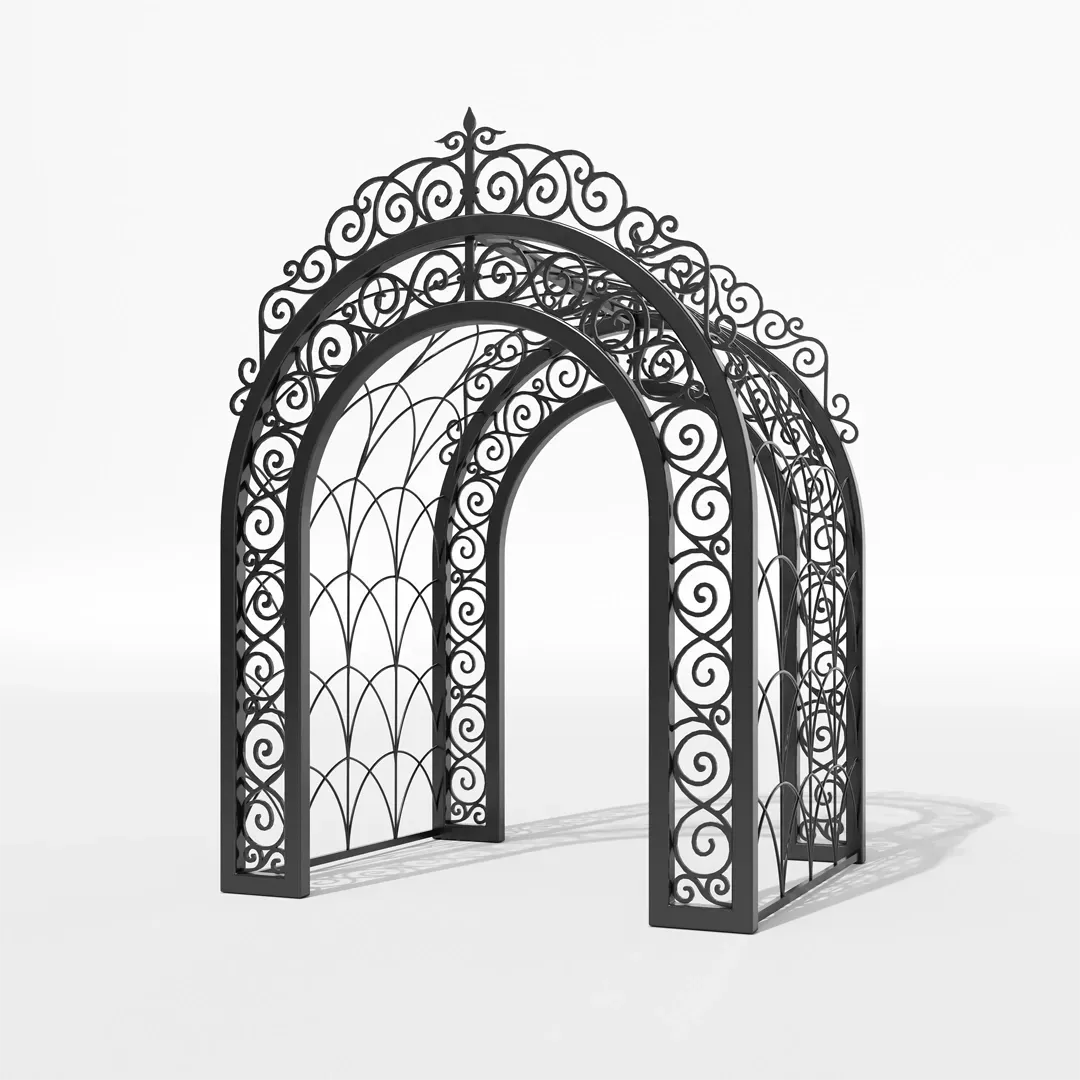
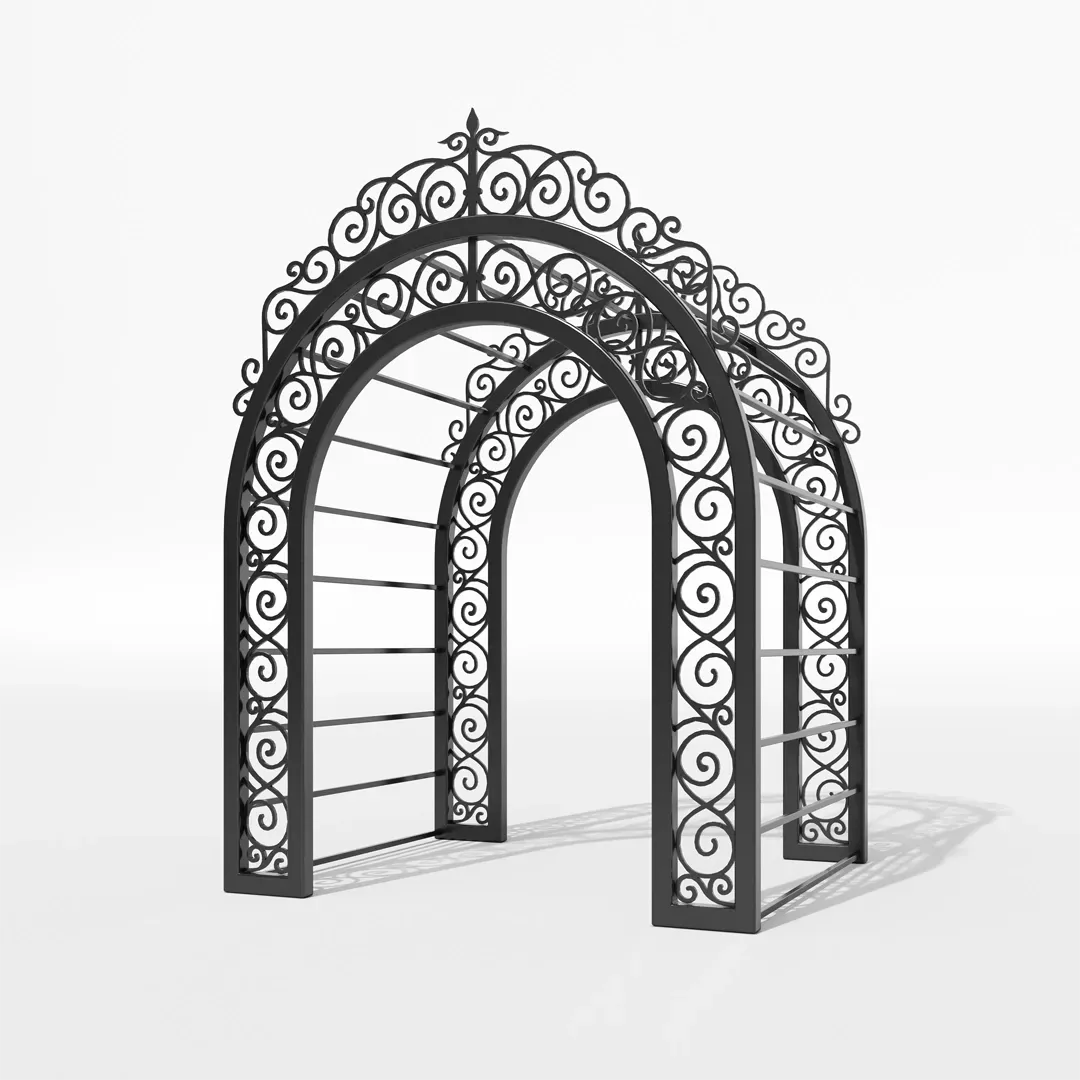
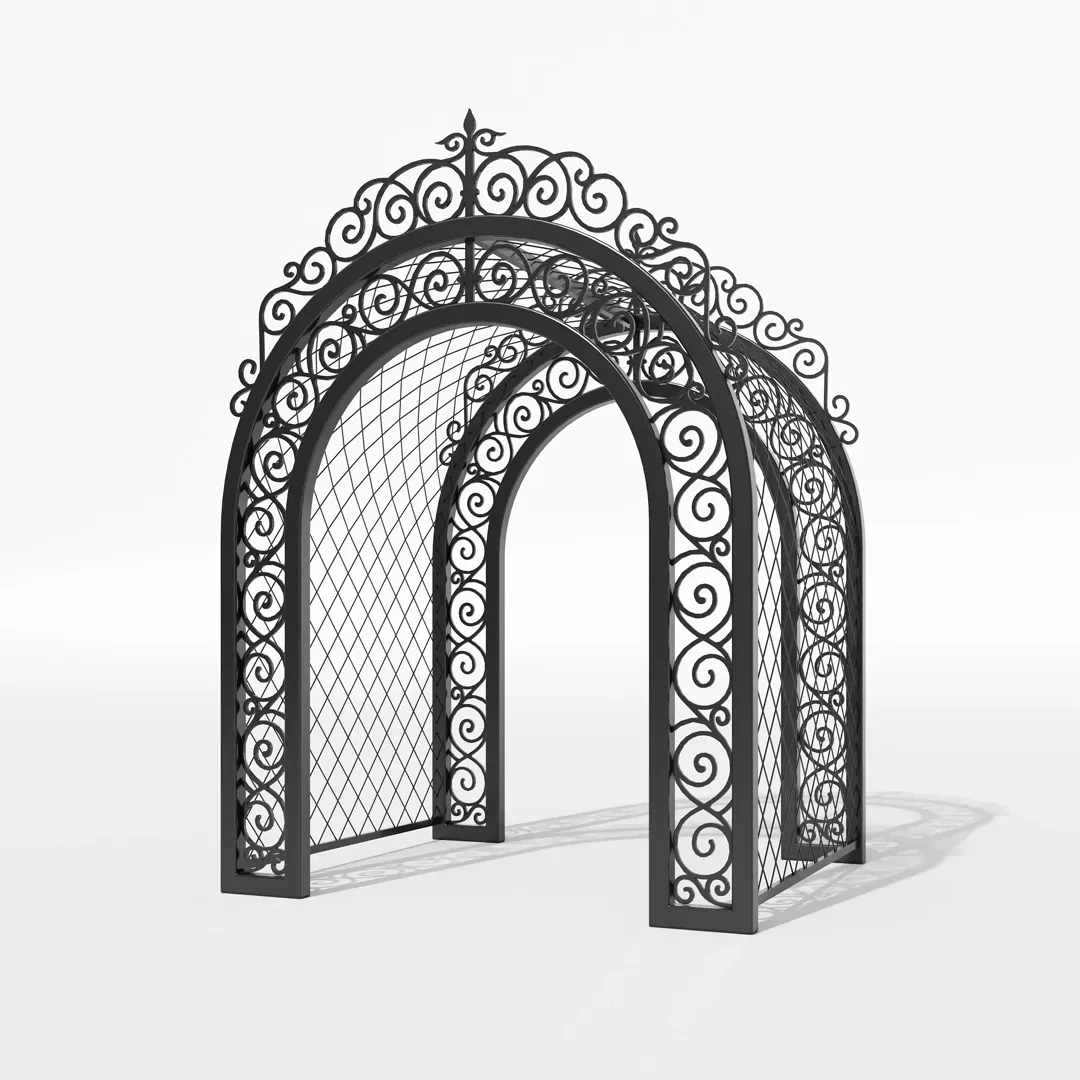
Our arches are built to last, crafted from powder-coated structural steel that won’t rust and stands up beautifully to the elements. Available in three standard sizes, each arch is designed to integrate seamlessly into any landscape. Choose from three elegant trellis styles to elevate your garden with lasting sophistication.
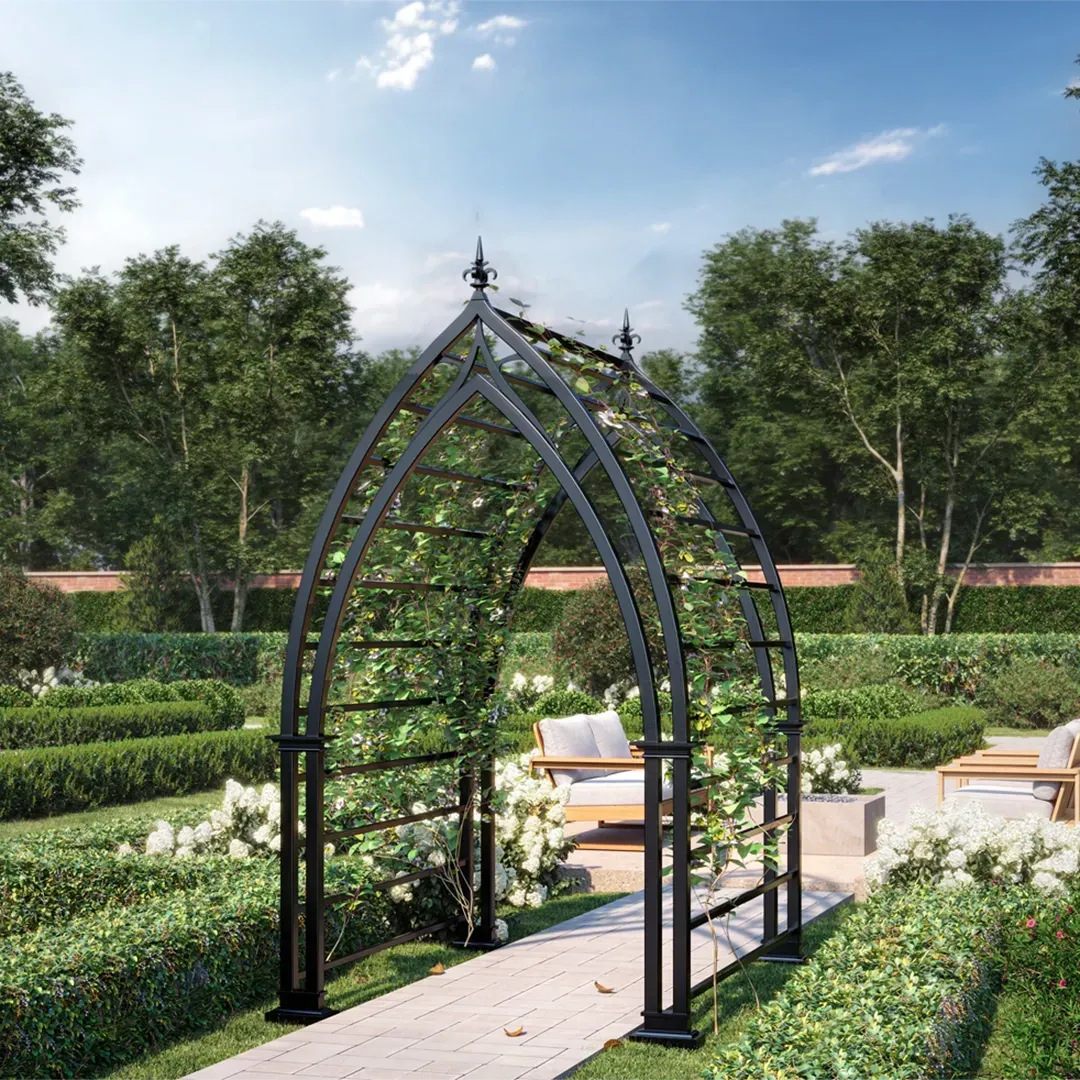
Arches & Trellises
Where Quality Stands Apart
Our arches come in three standard sizes, designed to seamlessly integrate into any landscape. Choose from three distinct trellis options, each crafted to enhance your garden’s aesthetic with elegance and style.

Gazebos
A Timeless Asset in Architectural Beauty
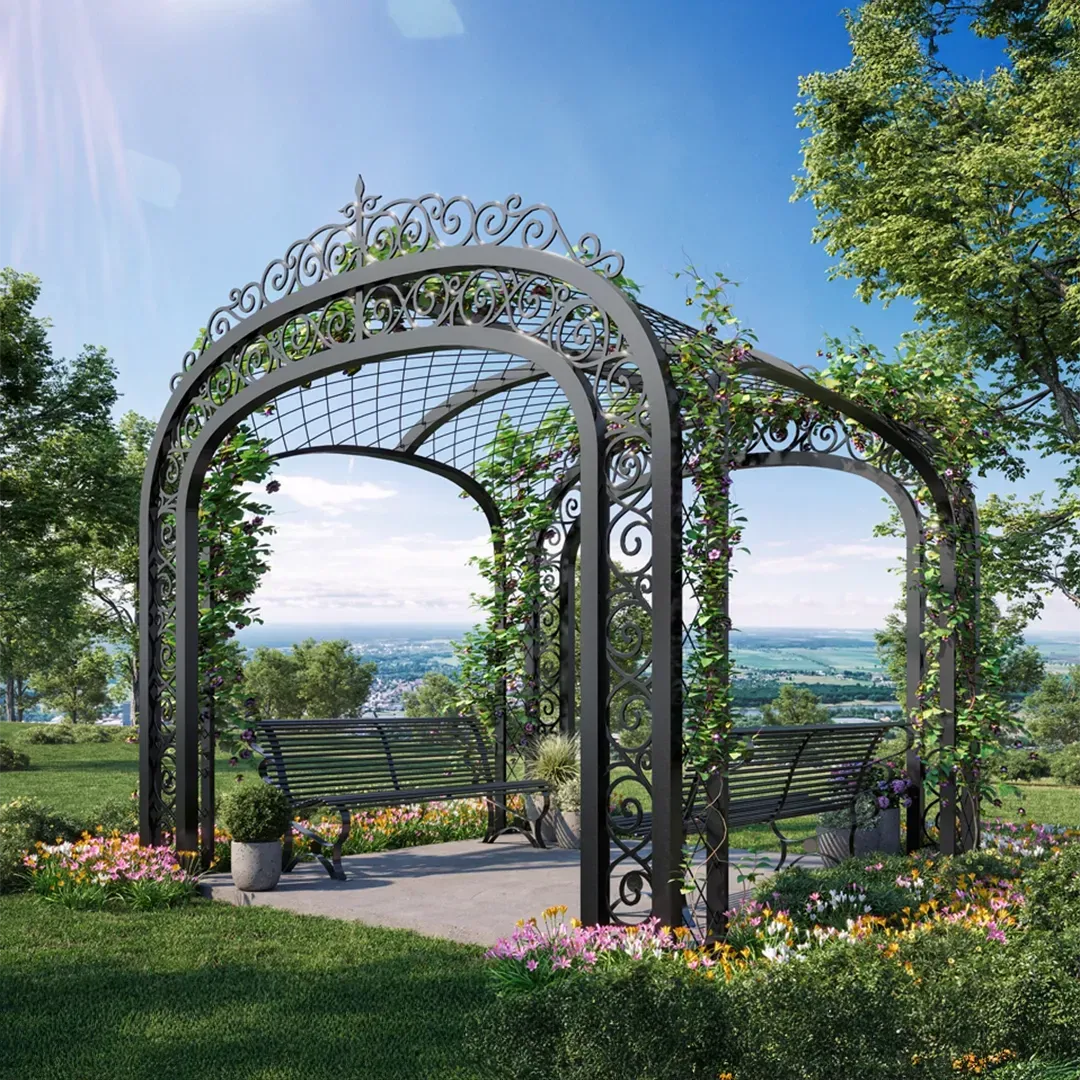
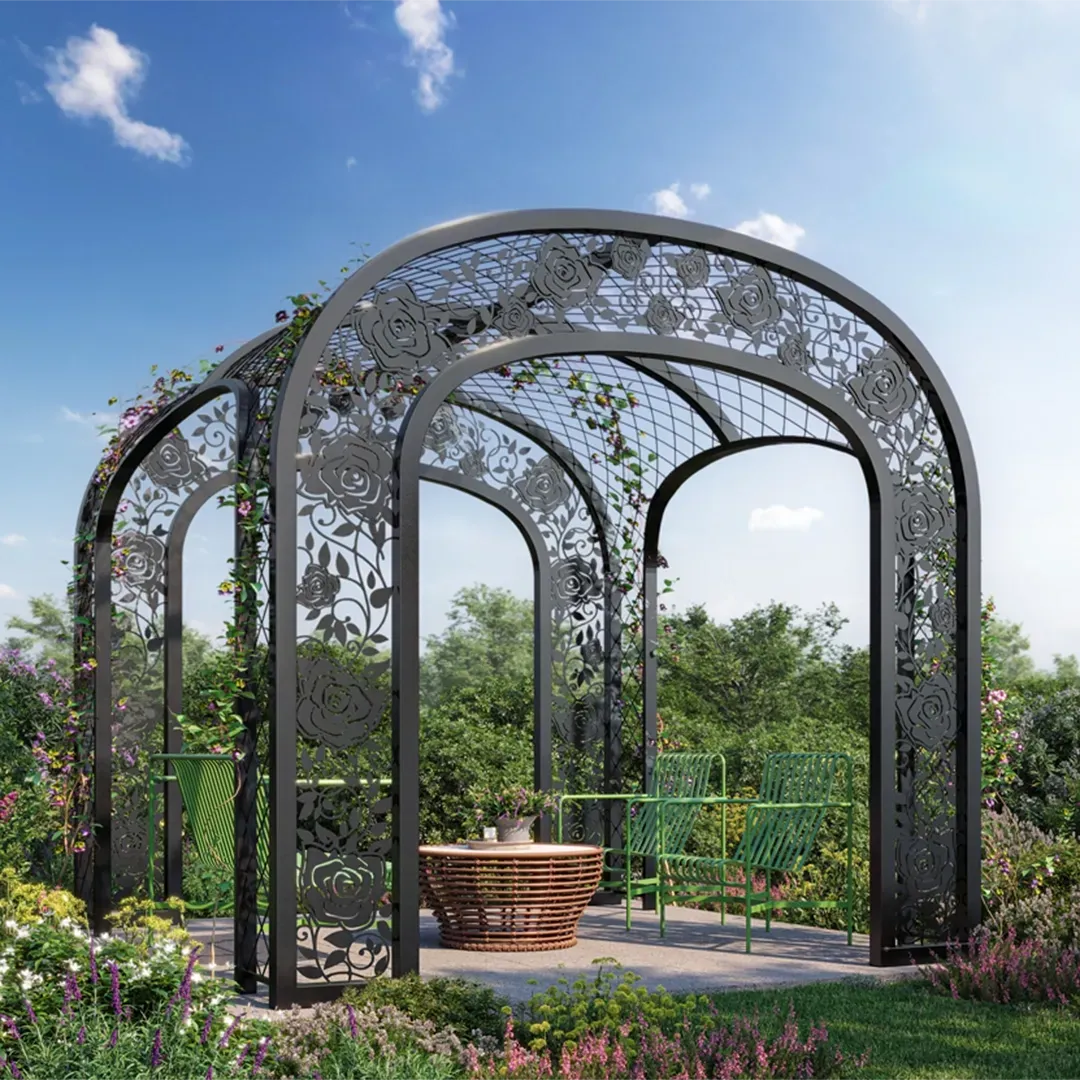
Our gazebos are more than just shade structures—they are timeless investments in both your property and lifestyle.
Designed for entertaining, dining, or quiet relaxation, each piece is meticulously crafted to blend elegance with durability, creating a stunning focal point for your outdoor space.
Outdoor Furniture
Where Luxury Meets Lasting Strength
Elevate your outdoor space with Steel Gardens' modern, versatile furniture collection—designed to complement any garden or backyard with sophistication and comfort. Each piece is made to order, ensuring a seamless fit for your unique style and space.
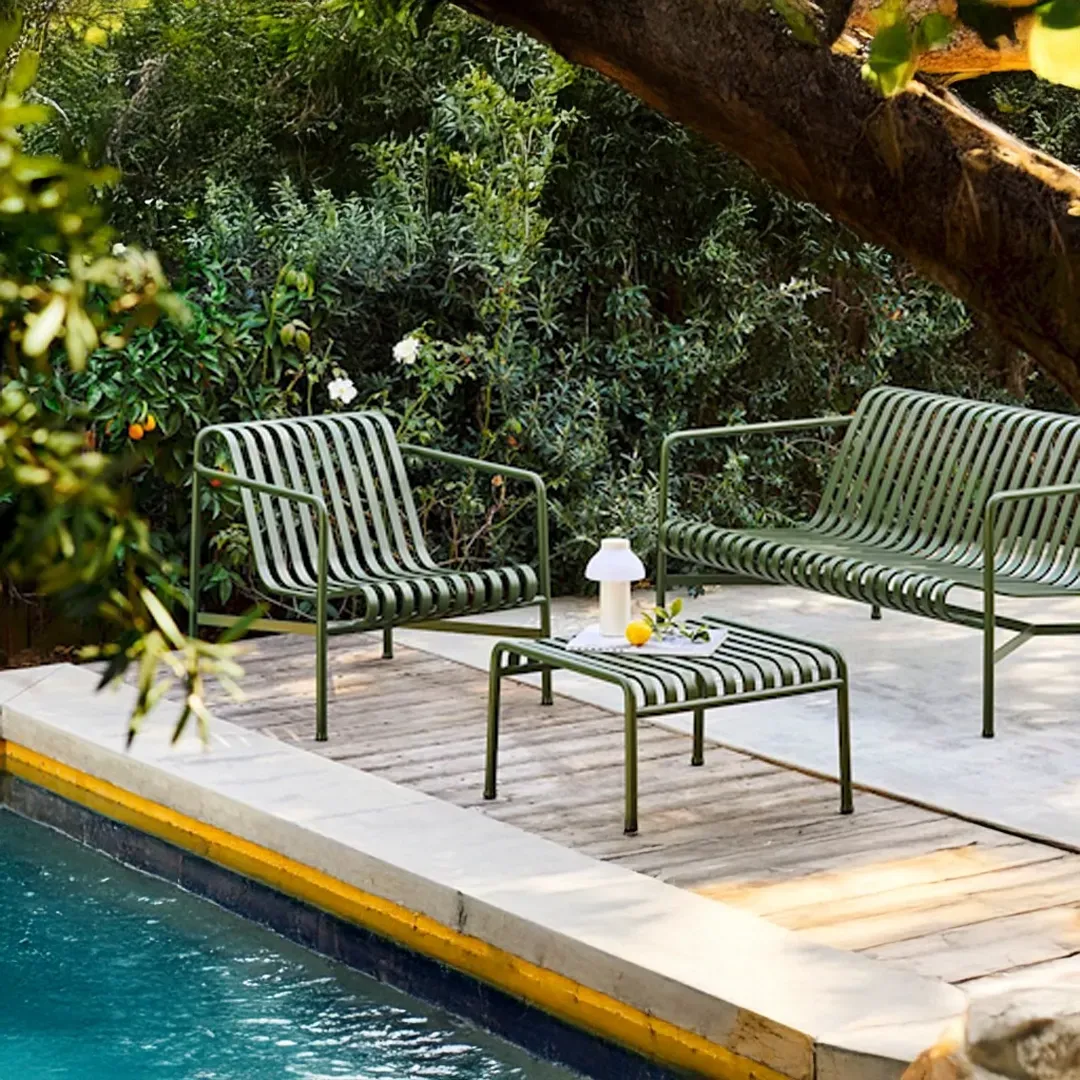
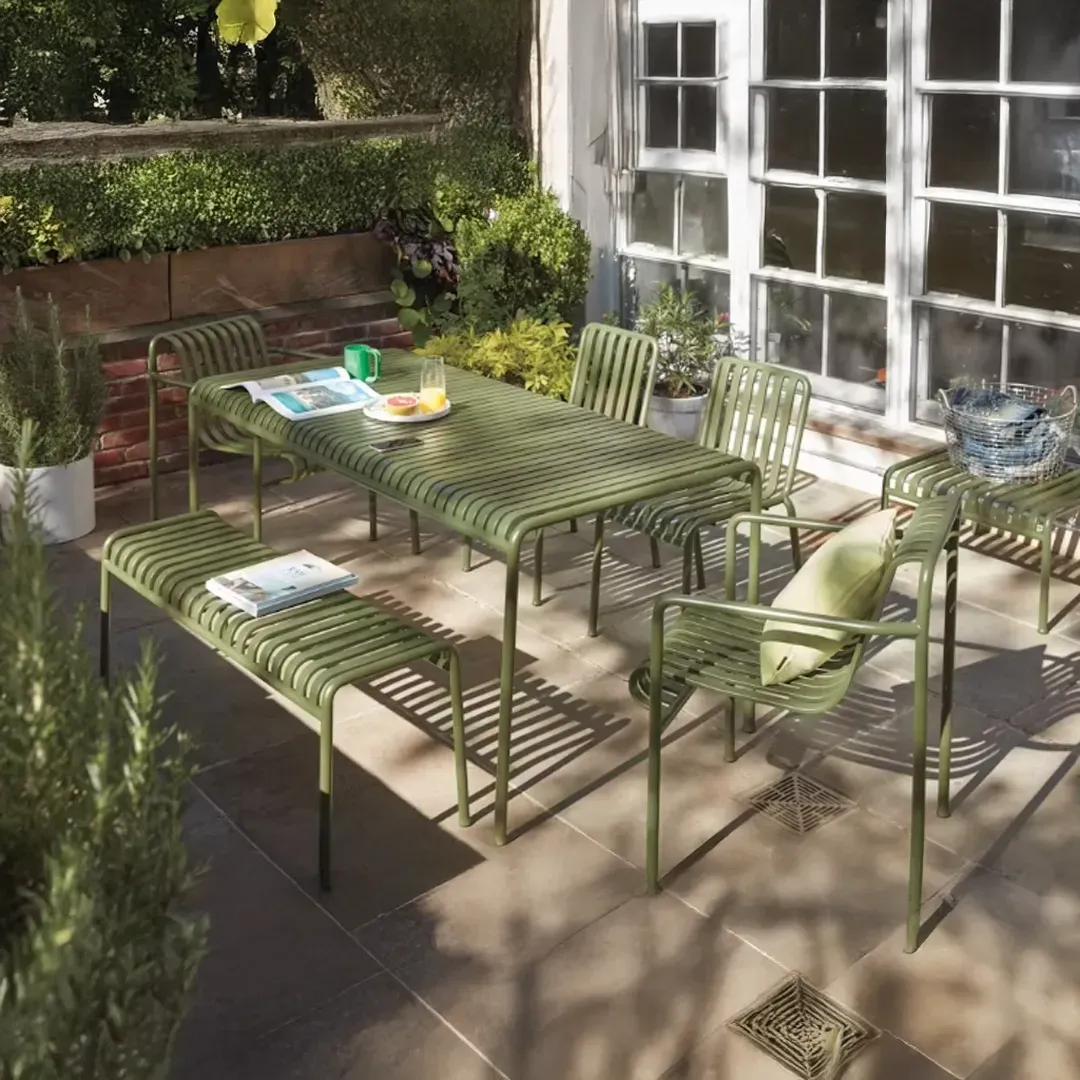
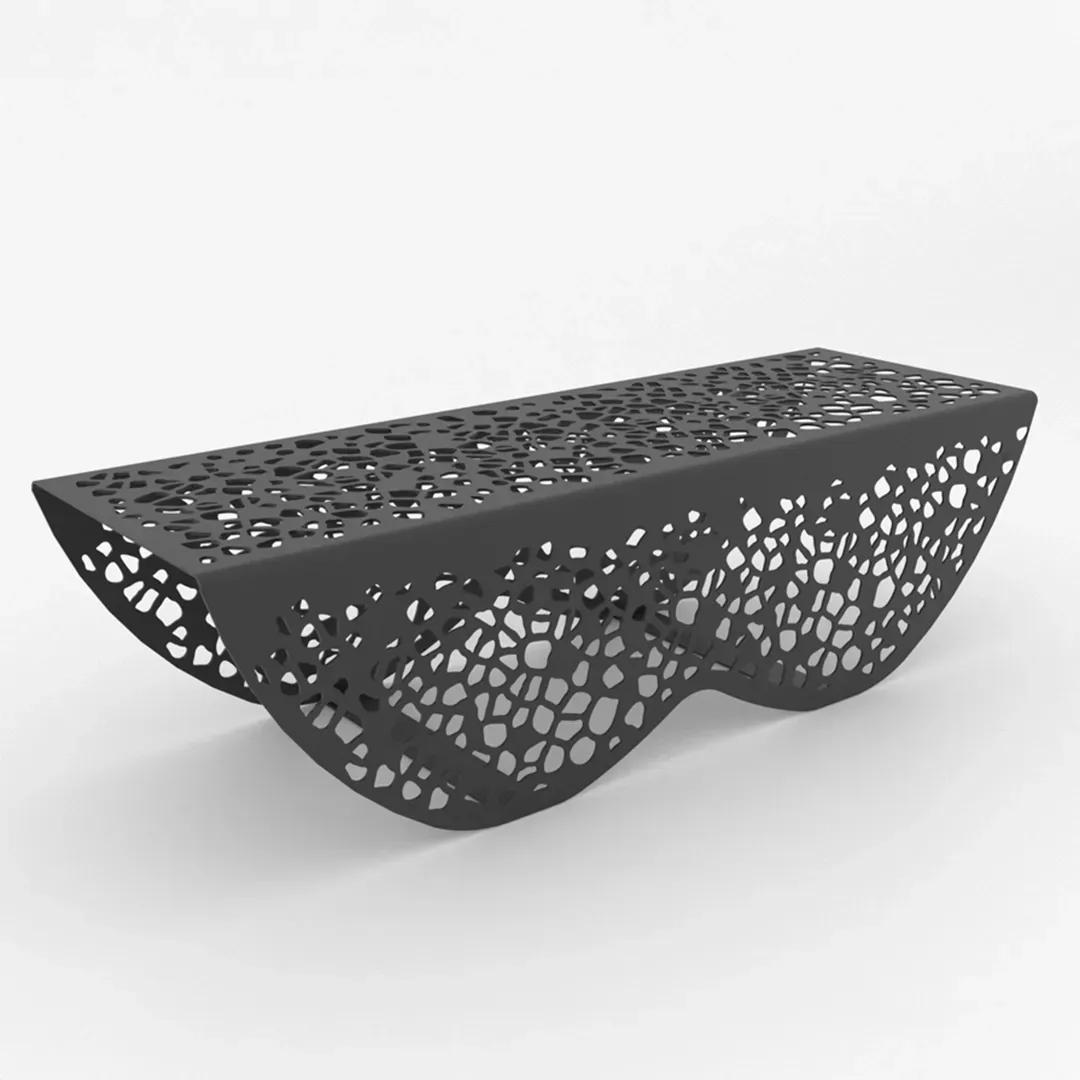
Outdoor Furniture
Where Luxury Meets Lasting Strength
Elevate your outdoor space with Steel Gardens' modern, versatile furniture collection—designed to complement any garden or backyard with sophistication and comfort. Each piece is made to order, ensuring a seamless fit for your unique style and space.
Featured Designs for Elevated Outdoor Living
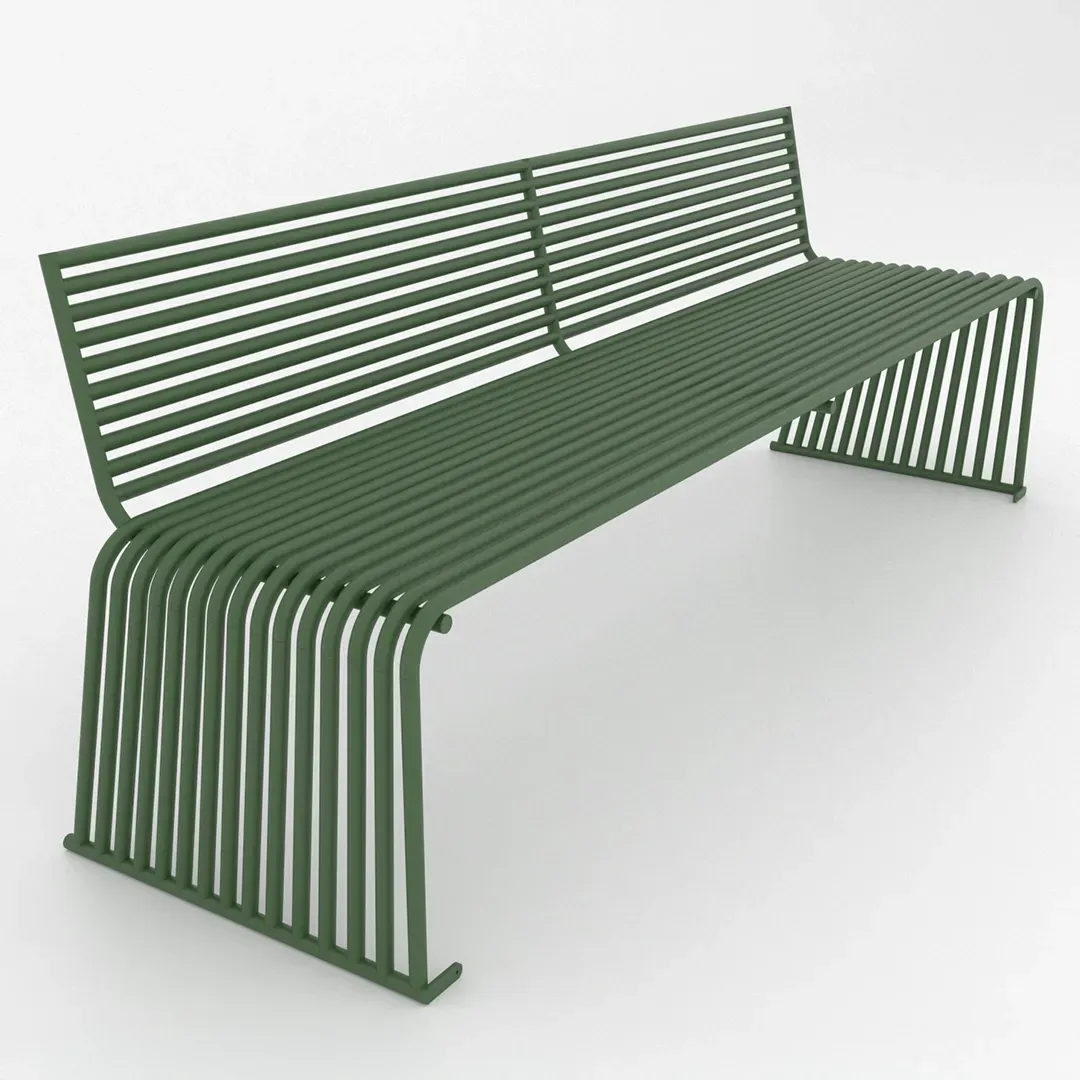
The Courtyard Bench
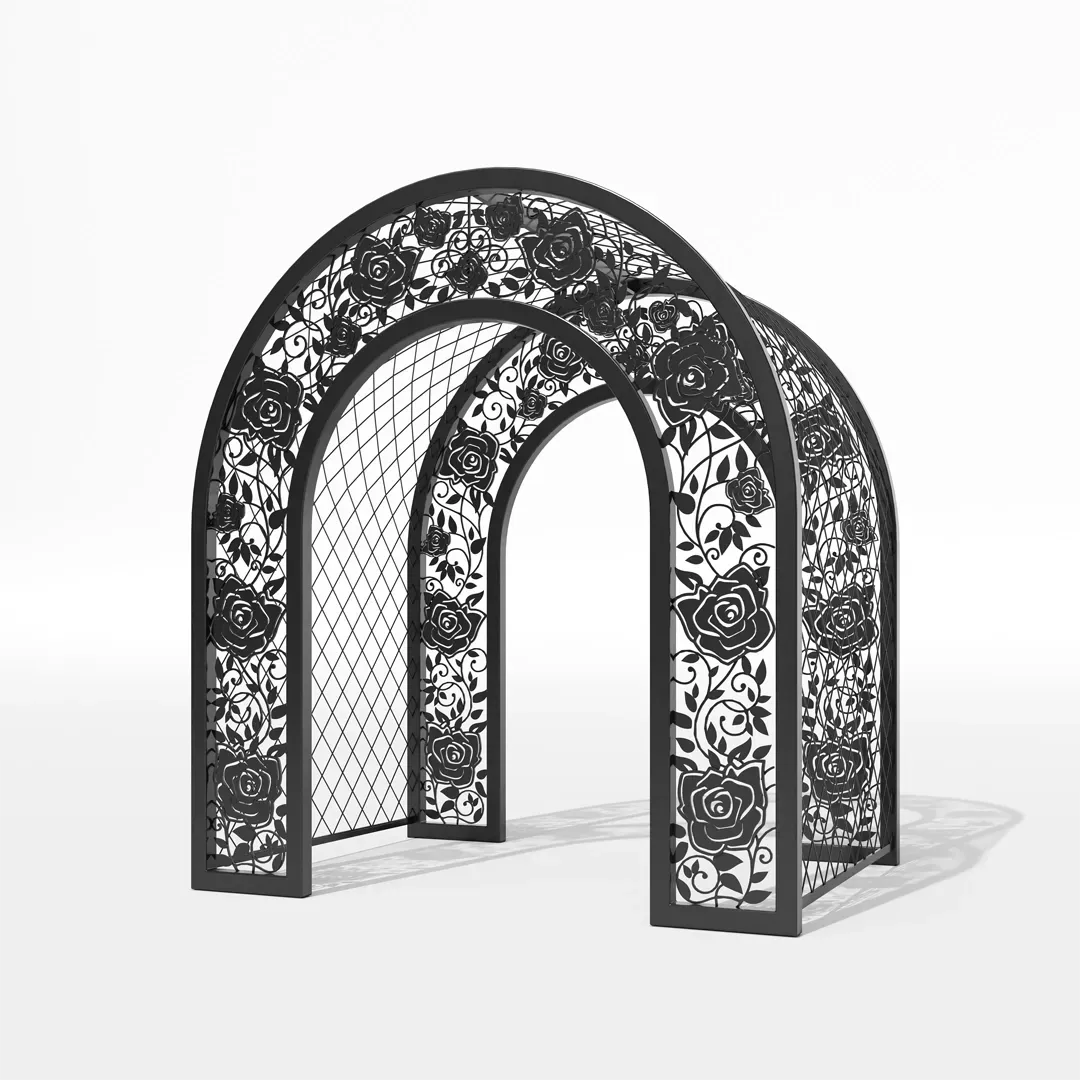

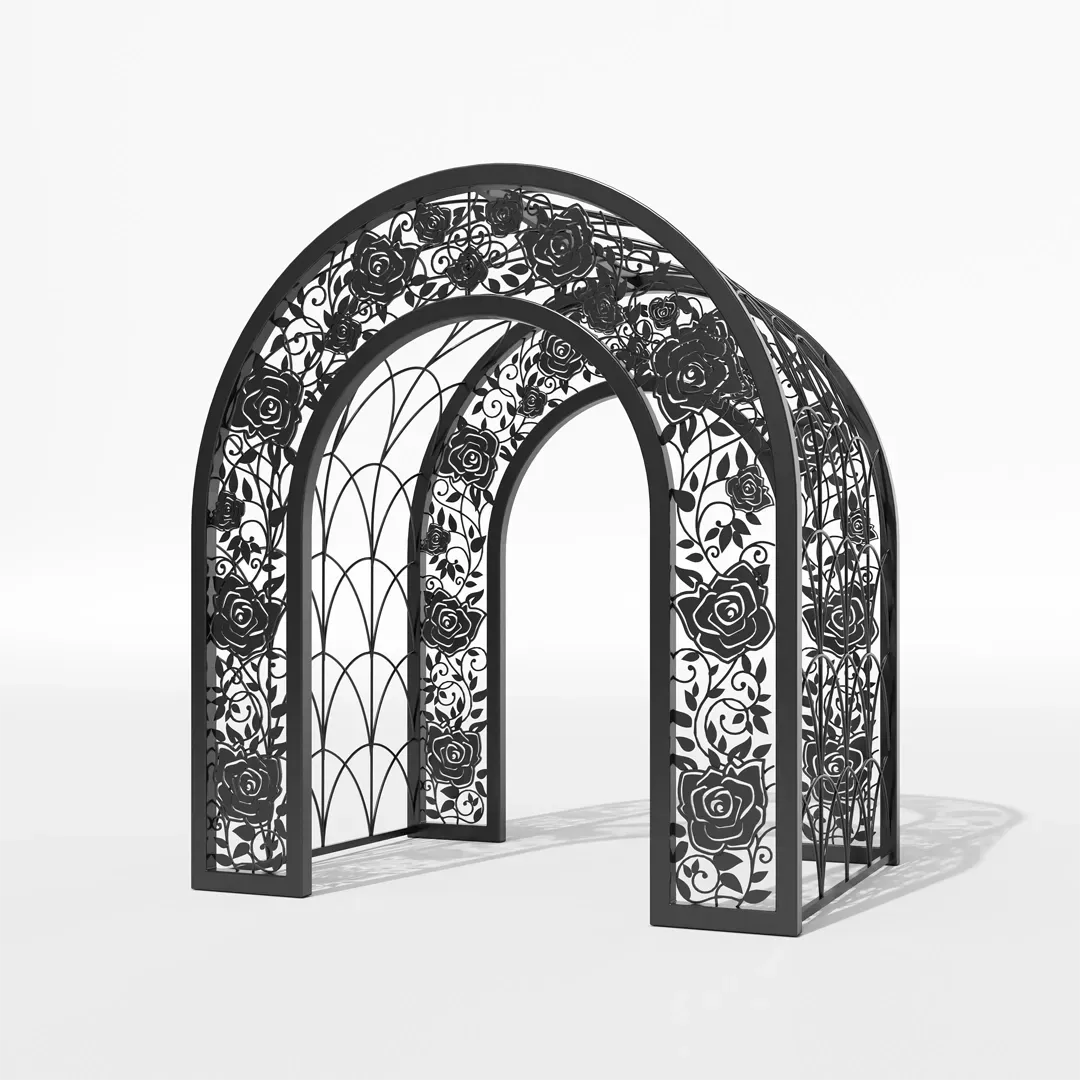
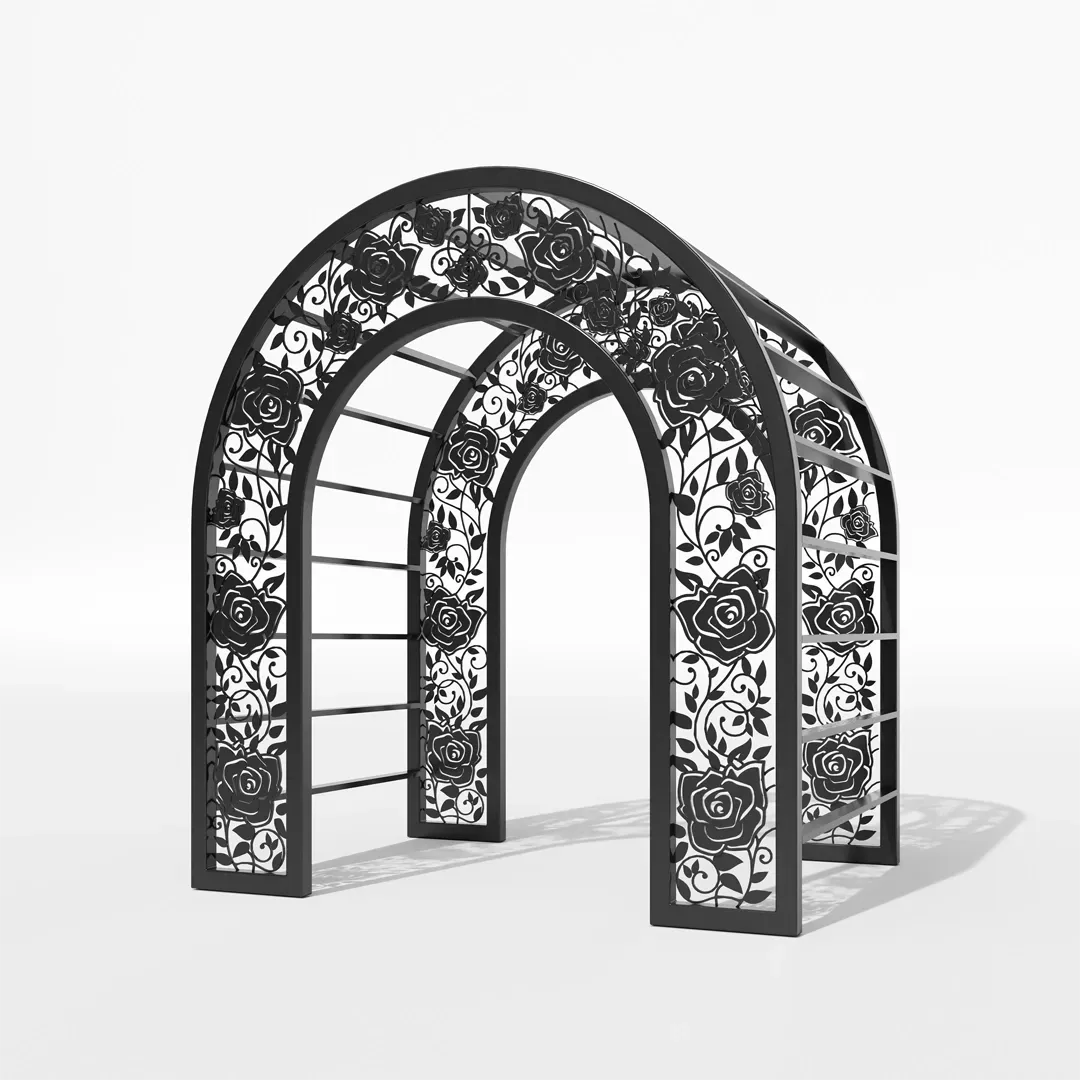
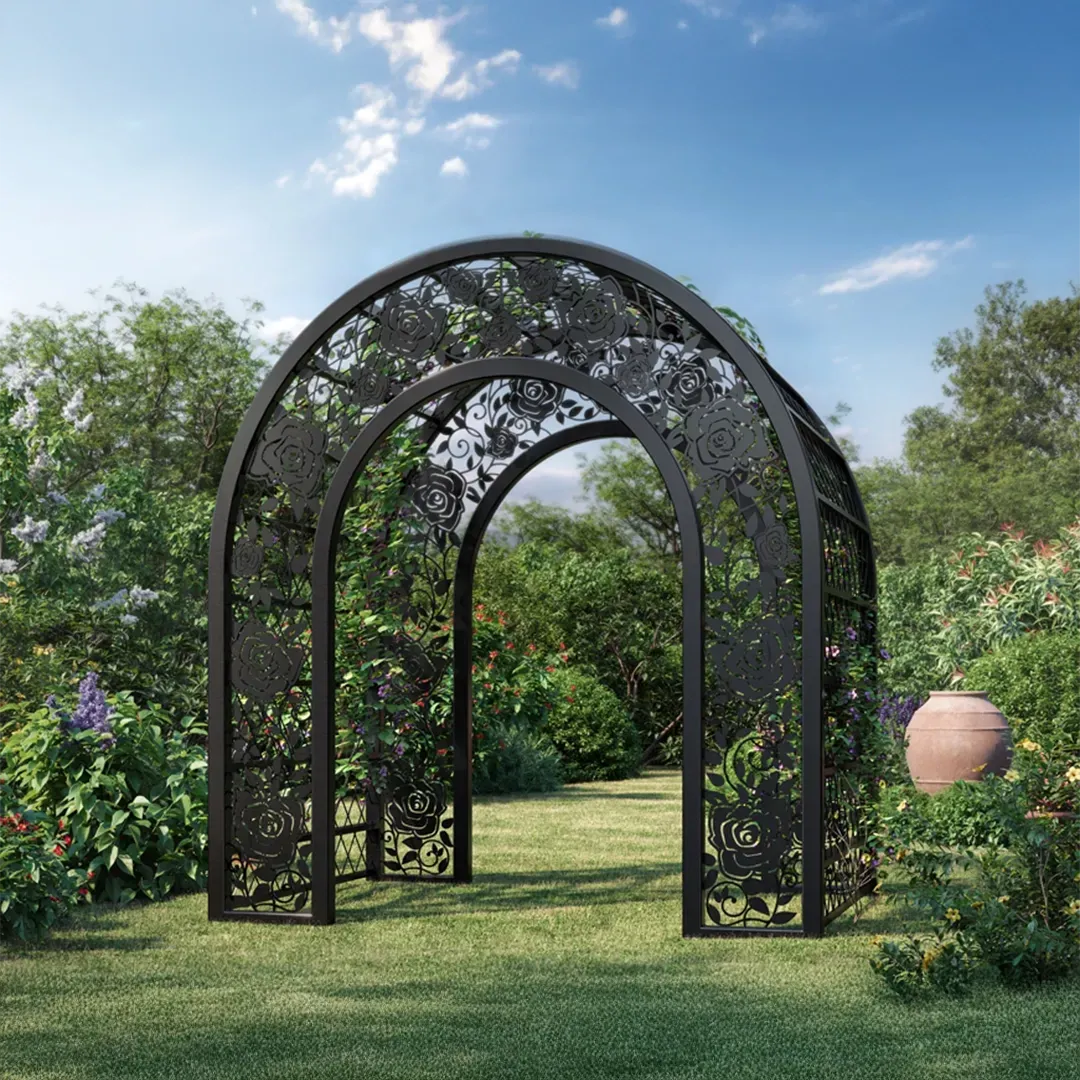
The Rose Garden Arch
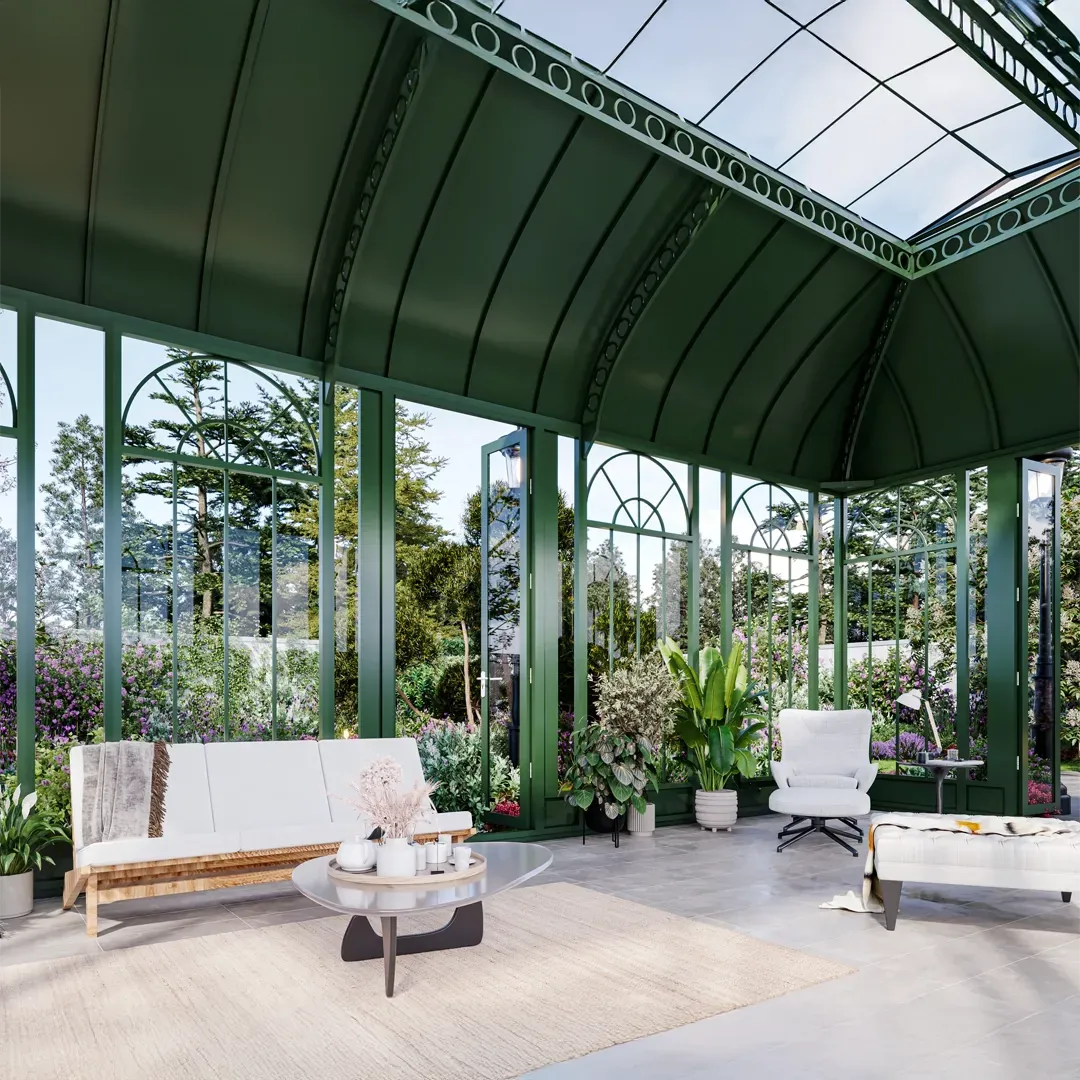
The Belfast Modern
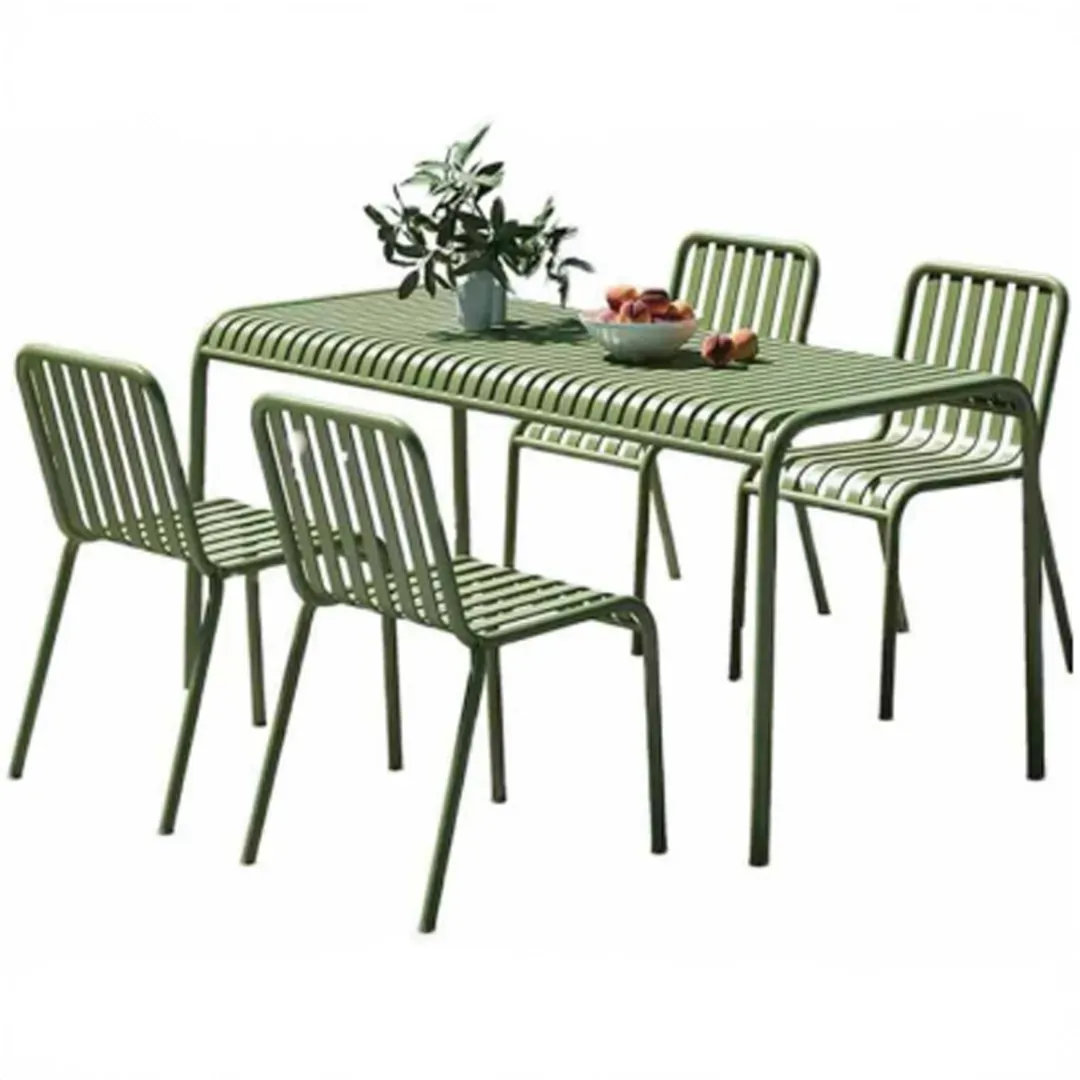
The Greenhouse Dining Patio Set
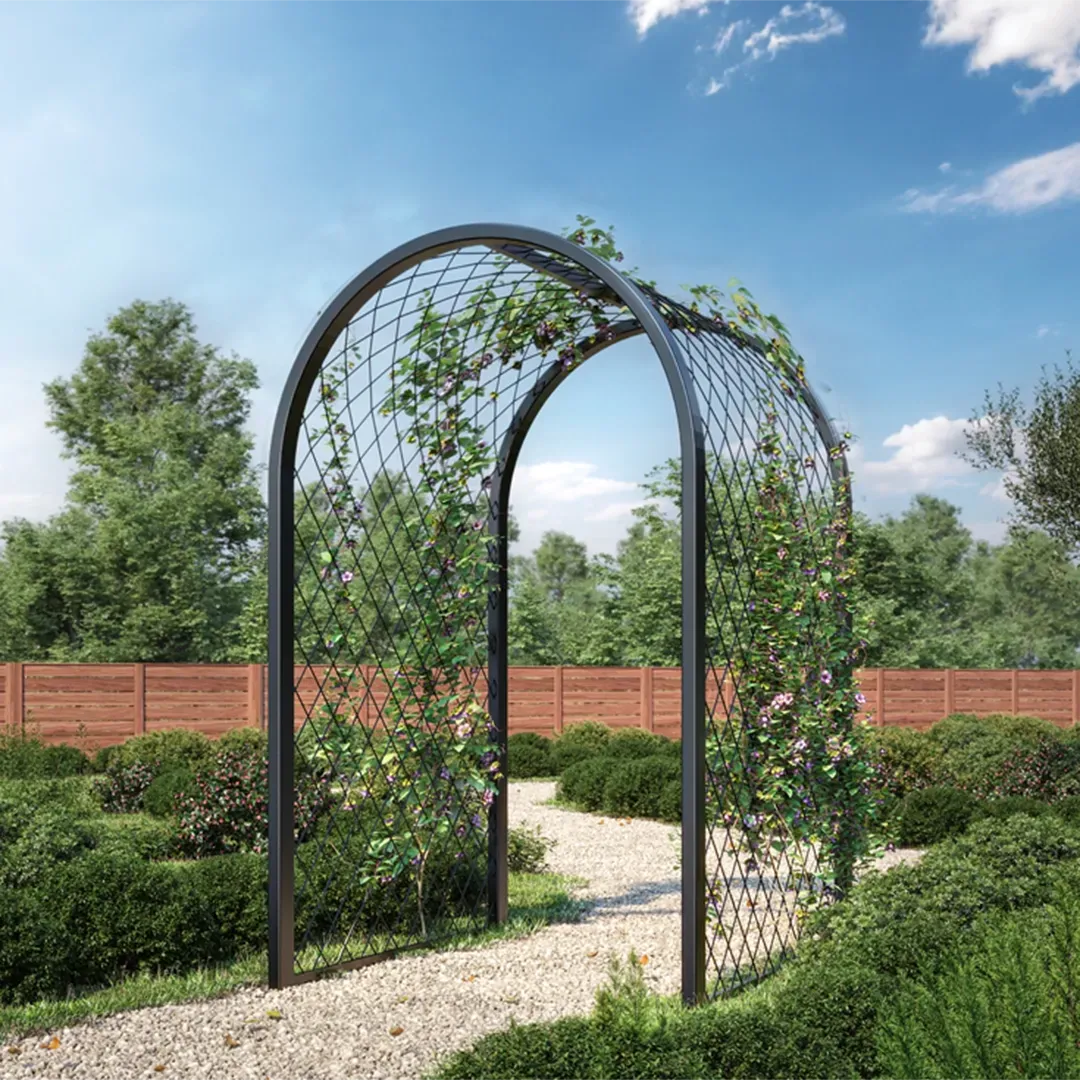
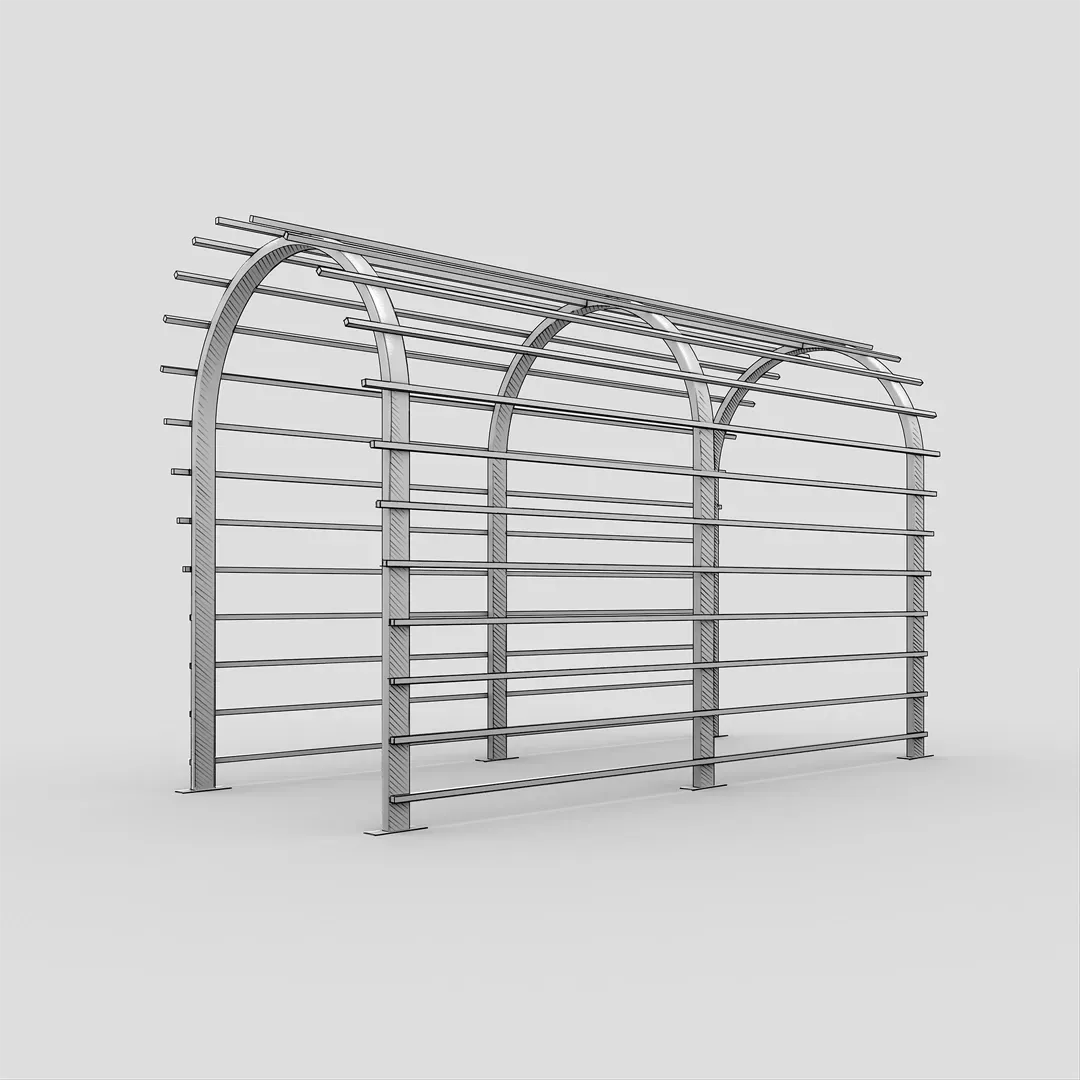
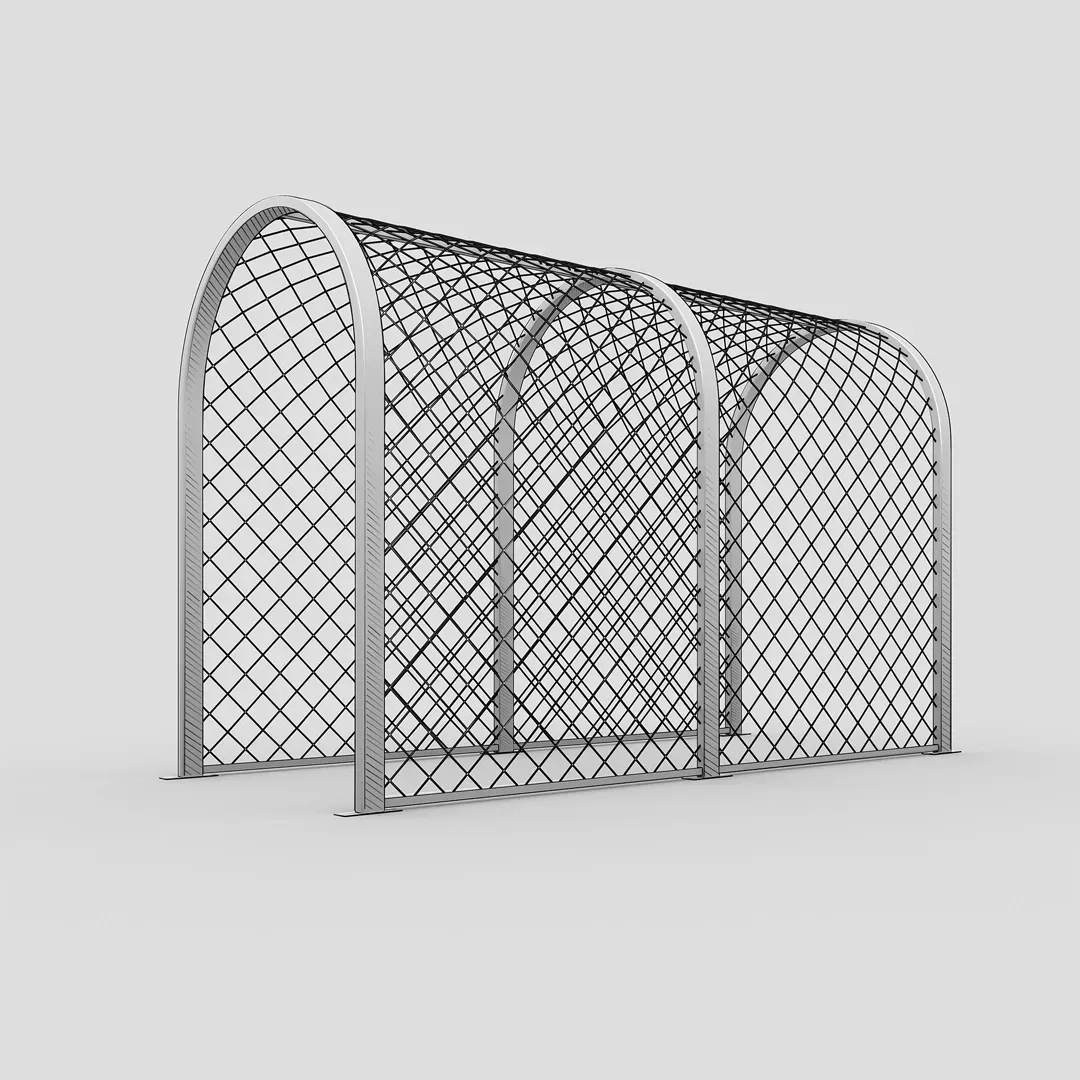
The Veranda Arch
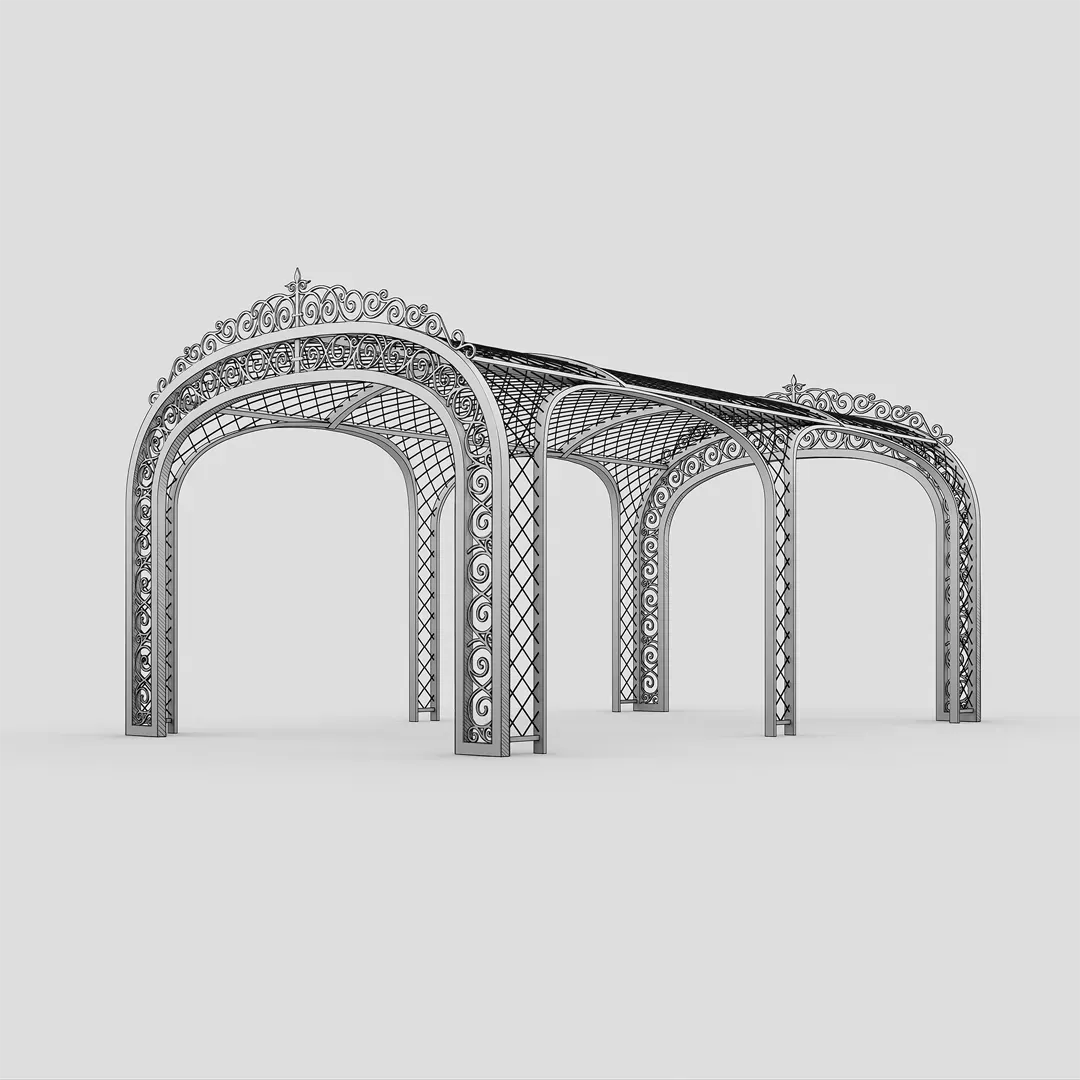
The Floral Gazebo
Expert Advice
Professional Conservatory Systems: Integrated Solutions For Commercial Venues
Most commercial conservatories are assembled from separately specified components that work in isolation and fight each other in operation. Alpine Designs steel-and-glass structures are integrated systems—designed as wholes, not assembled as collections.
The integration problem in commercial conservatory construction
A typical commercial project involves a structural engineer, a glazing contractor, an HVAC engineer, a lighting designer, an AV contractor, and a building automation vendor—each optimizing their own scope without full knowledge of how other systems interact. The result is a building where individual components meet specifications but the building as a whole underperforms.
Integration failures are common and costly: HVAC systems that fight the thermal behavior of the glazing specification, lighting controls that conflict with daylight sensors, structural connections that impede glass replacement access, and automation systems that can’t communicate because protocols were never coordinated.
For the full framework, see our guide on preventing the greenhouse oven effect: ventilation as revenue protection for glass venues.
Alpine Designs’ systems integration approach
Alpine Designs designs conservatory systems as integrated wholes from project inception. Structural design, glazing specification, mechanical engineering, lighting design, and building automation are coordinated by a single design team with deep understanding of how each system affects the others.
This integration is not merely organizational—it produces quantifiably better outcomes. An integrated design team catches conflicts before they’re built. Coordinated specifications eliminate redundancy and ensure compatibility. Integrated commissioning verifies the building as a system, not just its components.
Structural and glazing integration
The structural frame and glazing system in a commercial conservatory are interdependent. Frame deflection under load affects glazing seal performance—a frame that deflects too much causes sealant failure and air infiltration. Thermal expansion coefficients must be matched between frame and glazing unit to prevent differential movement at joints.
Alpine Designs structural engineers and glazing specialists work from shared models. Frame stiffness targets are set to meet glazing installation tolerances. Thermal expansion analyses confirm joint design accommodates seasonal movement without seal stress. This coordination produces buildings that maintain performance over decades of thermal cycling.
Mechanical and glazing integration
Glazing specification and HVAC system design are interdependent in ways that separate engineering disciplines miss. The U-value and SHGC of specified glazing determine heating and cooling loads directly. An HVAC system designed before glazing is selected must be over-designed to accommodate worst-case glazing performance—wasting capital and operating cost.
Alpine Designs finalizes glazing performance specifications before mechanical design begins. The HVAC engineer designs to the actual thermal loads produced by specified glazing, right-sizing equipment for real conditions. Systems match the building they serve rather than a conservative worst-case assumption.
Lighting and daylighting integration
Natural daylighting in glass venues creates dynamic conditions that artificial lighting systems must complement. A lighting design that ignores daylighting produces spaces with excessive artificial light during sunny days—wasting energy and creating uncomfortable glare conditions.
Alpine Designs integrates lighting design with glazing orientation, shading system design, and photosensor placement from the earliest design phase. The result is lighting that seamlessly supplements daylighting—maintaining consistent illumination levels as natural light varies through the day and across seasons.
HVAC and building automation integration
Building automation systems can only optimize what they can control. When HVAC equipment is specified independently from the BAS, compatibility issues arise: equipment that doesn’t support the BAS communication protocol, sensors that can’t interface with control logic, and actuators that respond differently than control sequences assume.
Alpine Designs specifies mechanical equipment and building automation systems as a coordinated package. BAS sequences of operation are written to match actual equipment capabilities. Sensor integration is verified at equipment selection. Commissioning confirms the integrated system performs as designed.
Acoustic and structural integration
Glass venues face inherent acoustic challenges: hard reflective surfaces, large volumes, and structural connections that can transmit impact noise throughout the building. Acoustic performance is not a specialty item—it’s an integrated result of structural design, glazing specification, finish material selection, and mechanical system coordination.
Ready to evaluate the infrastructure gap that defines performance? See our full analysis.
Alpine Designs structural isolation at connections, PVB laminated glass specifications, acoustic ceiling system design, and HVAC duct silencer placement are all coordinated to achieve target acoustic performance. RT60 values of 1.0–1.2 seconds in occupied spaces are achievable only through this comprehensive approach.
Water management integration
Glass roofs generate significant condensate and potential rainwater infiltration. Roof drainage, condensate collection, perimeter drainage, and field grading must be coordinated as a system. Disconnected water management creates chronic leak issues, foundation drainage problems, and interior moisture conditions.
Alpine Designs designs water management as an integrated drainage system: gutters, downspouts, condensate drains, perimeter drains, and site grading all coordinated to move water away from the structure efficiently and without pooling. Details are worked out on paper—not discovered as problems during construction or after occupancy.
Commissioning as systems verification
Integrated systems require integrated commissioning. Alpine Designs commissioning protocols verify not just that individual components work but that the building as an integrated system meets design performance targets.
Integrated commissioning includes: whole-building air tightness testing, thermal performance verification across all zones under representative load conditions, lighting control system testing across all daylight and occupancy scenarios, and BAS sequence verification confirming automation logic performs as intended.
The long-term value of integration
Integrated buildings maintain performance better over time. When all systems are designed to work together, maintenance interventions on one system don’t inadvertently degrade another. When the design team understands the whole building, troubleshooting is faster and solutions are more effective.
Alpine Designs provides complete system documentation at project closeout—coordinated drawings showing all systems in relation to each other, calibration data for all sensors and controls, and operations manuals that explain how systems interact rather than documenting each component in isolation.
Choose integration from the beginning
The decision to pursue integrated design must be made at project inception—once separate consultants have developed independent designs, integration becomes expensive retrofitting. The cost difference between integrated and fragmented design approaches is modest; the performance difference is substantial.
Contact Alpine Designs to discuss integrated systems design for your commercial conservatory project. Alpine Designs steel-and-glass structures perform as wholes—because that’s the only way they perform at all.
See also

The Material Difference
Precision in Strength, Perfection in Detail
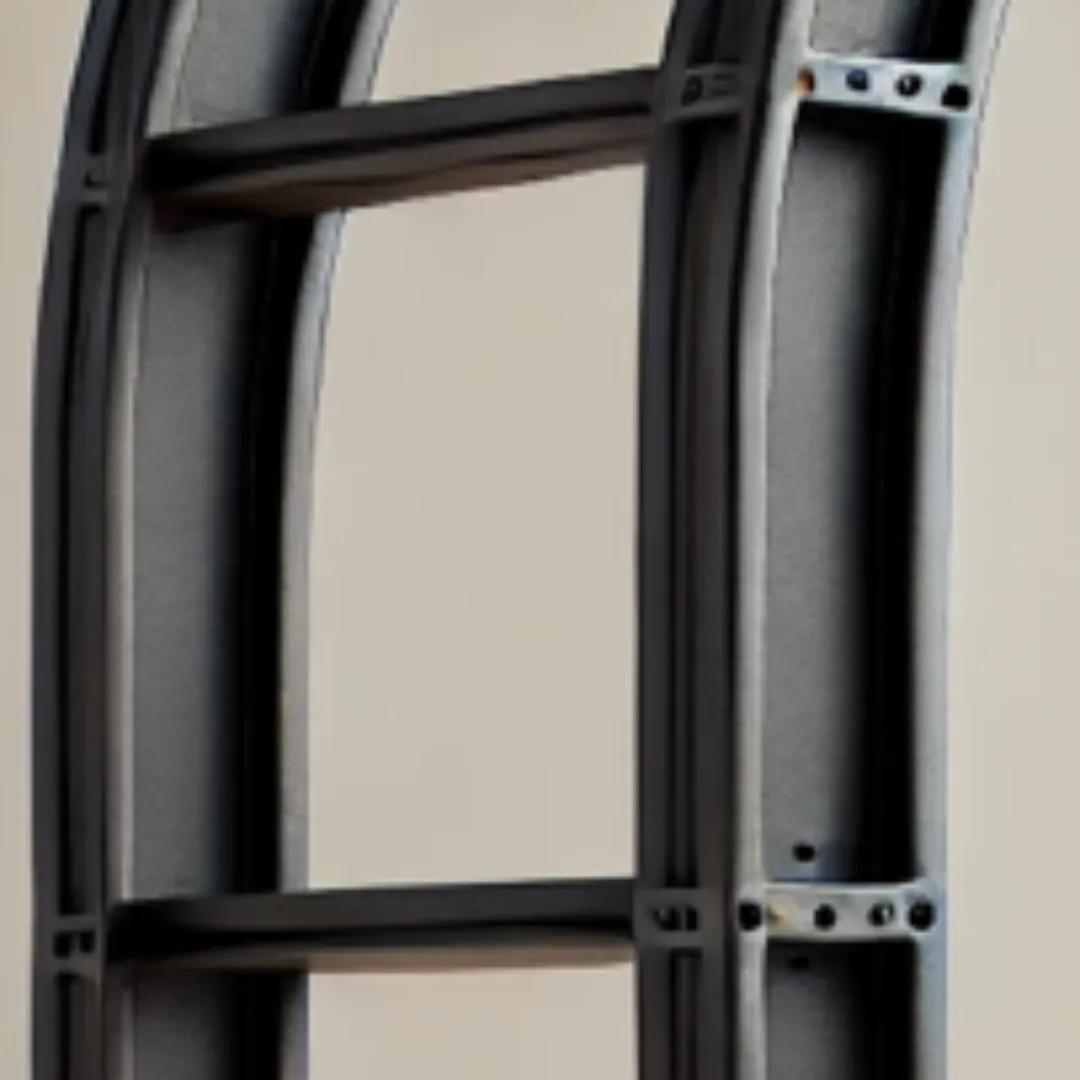
Our Structural Steel:
Engineered to exceed stringent industry standards, our structural steel is built for construction and engineering projects where strength, stability, and load-bearing capacity are paramount. Designed to withstand significant stress without bending or breaking, it ensures lasting durability and reliability.
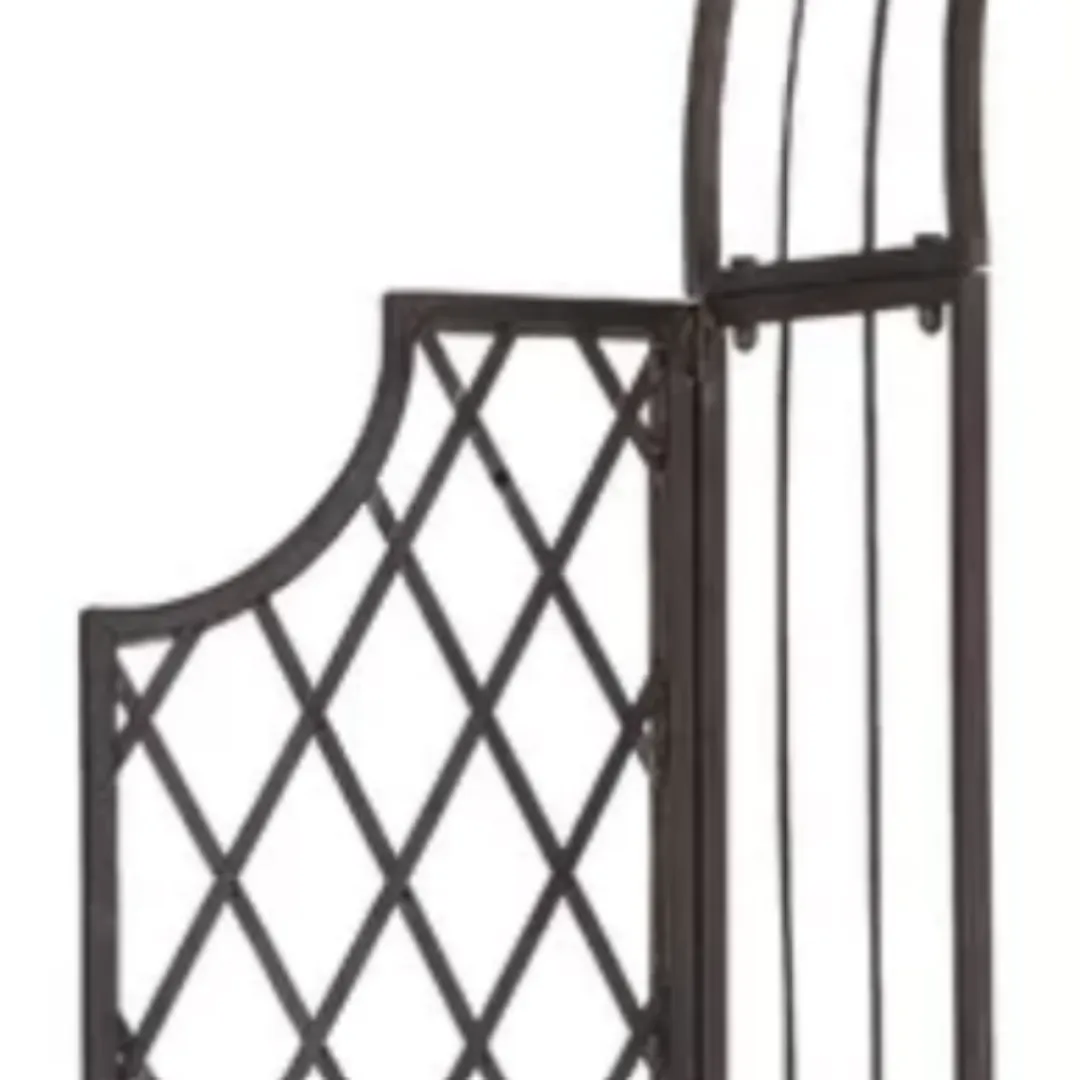
Other Brands:
Many competitors use thin, low-grade steel or lightweight metals like aluminum, which lack the resilience and strength needed to support heavy loads or endure harsh weather conditions.
Real Clients, Real Customization
The Kensington Heritage Greenhouse
Ethan's Kensington Heritage Greenhouse
from
Boston, Massachusetts
Common Questions
What Makes Our Greenhouses Unique?
At Steel Gardens, our greenhouses are crafted with premium materials, including reinforced glass, and feature exquisite designs with unparalleled customization options. Built for unmatched durability, aesthetics, and functionality, they are perfect for avid gardeners and so much more. Whether you use your greenhouse for gardening, as an elegant entertaining space, a creative studio, or a tranquil retreat, each design combines beauty and versatility to enhance your lifestyle and property.
What maintenance is required for an Steel Gardens greenhouse and how do I ensure optimal performance?
Alpine Greenhouses are incredibly low maintenance. Our programmable exhaust fans allow you to specify temperature and humidity settings, allowing for automated control of your environment. With the benefit of a steel roof, cleaning as needed of your glass glazing is all that is regularly needed to enjoy this stunning addition to your property.
Can I customize the design and size of my greenhouse?
Yes, our greenhouses are fully customizable to suit your unique vision and requirements. Our design team works closely with you to assess your personal intentions for use, whether it’s gardening, entertaining, or creating a relaxing retreat. We also take into account your color preferences, size needs, and property specifications to ensure the greenhouse integrates seamlessly with your outdoor space. With a wide range of sizes, styles, materials, and finishes available, we help you create a bespoke greenhouse that not only complements your property but also fulfills your lifestyle goals.
What are the standard installation costs for a custom greenhouse?
The installation and site preparation costs for a custom greenhouse typically align with the model's material costs. These expenses reflect the skilled labor and precision required to properly assemble the structure, integrate custom features, and meet local code requirements. Site preparation—such as leveling, foundation work, and drainage—can also influence the overall cost based on the property’s specific needs and design requirements.
What factors should I consider when planning and designing a custom greenhouse?
Design with confidence - Get Our Greenhouse Guide
Designing a custom greenhouse is an exciting opportunity to create a functional and beautiful space tailored to your needs. Here are some important considerations to keep in mind:
What is your primary goal?
Will your greenhouse be used for gardening, entertaining, relaxation, or as a multi-purpose space? Understanding your intentions will guide key design decisions, such as size, layout, and features.
Where will the greenhouse be placed?
Choose a location that maximizes sunlight exposure, typically a south-facing position. Consider factors like wind exposure, drainage, and accessibility.
How does it fit into your landscape?
Ensure the greenhouse complements the style and layout of your property for seamless integration.
What size works best for your needs?
The greenhouse should be large enough for its intended purpose but proportionate to your property. Consider future uses to avoid outgrowing the space.
What aesthetic appeals to you?
Choose a design style that complements your home and personal taste, whether it’s modern, Victorian, Colonial, or something else.
Customization options:
Explore options like decorative ironwork, custom colors, roof profiles, or unique window designs to make your greenhouse one-of-a-kind.
What type of glazing is ideal?
Options include single-pane tempered glass for aesthetics or double-pane glass with Low-E coatings for improved insulation and energy efficiency.
Thermal performance:
Consider insulated foundations or climate battery systems for year-round temperature regulation.
How will you maintain optimal growing conditions?
Incorporate features like heating, cooling, ventilation, and humidity control to create the ideal environment for plants and people.
What foundation will support your greenhouse?
Options range from simple ground screws to advanced insulated foundations, depending on thermal needs and site conditions. Ensure proper drainage to prevent water issues.
What materials best suit your needs?
High-quality materials like aluminum, steel, and reinforced glass ensure longevity and low maintenance.
Do you need electricity?
Plan for lighting, fans, and other electrical components to enhance usability, especially for evening use or winter gardening.
How Do Our Greenhouses Manage Climate Control?
We believe greenhouses should be optimized for many uses, not simply high production gardening. In comparison to glass or polycarbonate roofed greenhouses which can be far too hot to enjoy, our models significantly reduce heat gain while still providing an ample amount of sunlight for your gardening interests. Maintaining consistent temperature controls is a priority for those interested in creating an environment comfortable for any number of activities.
How can my greenhouse provide a valuable return on investment?
We believe greenhouses should be optimized for many uses, not simply high production gardening. In comparison to glass or polycarbonate roofed greenhouses which can be far too hot to enjoy, our models significantly reduce heat gain while still providing an ample amount of sunlight for your gardening interests. Maintaining consistent temperature controls is a priority for those interested in creating an environment comfortable for any number of activities.
How does Steel Gardens assist with permits?
We believe greenhouses should be optimized for many uses, not simply high production gardening. In comparison to glass or polycarbonate roofed greenhouses which can be far too hot to enjoy, our models significantly reduce heat gain while still providing an ample amount of sunlight for your gardening interests. Maintaining consistent temperature controls is a priority for those interested in creating an environment comfortable for any number of activities.
What is the Lowest Maintenance Roof Option?
We believe greenhouses should be optimized for many uses, not simply high production gardening. In comparison to glass or polycarbonate roofed greenhouses which can be far too hot to enjoy, our models significantly reduce heat gain while still providing an ample amount of sunlight for your gardening interests. Maintaining consistent temperature controls is a priority for those interested in creating an environment comfortable for any number of activities.
What type of Foundations do we recommend?
We believe greenhouses should be optimized for many uses, not simply high production gardening. In comparison to glass or polycarbonate roofed greenhouses which can be far too hot to enjoy, our models significantly reduce heat gain while still providing an ample amount of sunlight for your gardening interests. Maintaining consistent temperature controls is a priority for those interested in creating an environment comfortable for any number of activities.
Common Questions
What Makes Our Greenhouses Unique?
At Steel Gardens, our greenhouses are crafted with premium materials, including reinforced glass, and feature exquisite designs with unparalleled customization options. Built for unmatched durability, aesthetics, and functionality, they are perfect for avid gardeners and so much more. Whether you use your greenhouse for gardening, as an elegant entertaining space, a creative studio, or a tranquil retreat, each design combines beauty and versatility to enhance your lifestyle and property.
What maintenance is required for an Steel Gardens greenhouse and how do I ensure optimal performance?
Alpine Greenhouses are incredibly low maintenance. Our programmable exhaust fans allow you to specify temperature and humidity settings, allowing for automated control of your environment. With the benefit of a steel roof, cleaning as needed of your glass glazing is all that is regularly needed to enjoy this stunning addition to your property.
Can I customize the design and size of my greenhouse?
Yes, our greenhouses are fully customizable to suit your unique vision and requirements. Our design team works closely with you to assess your personal intentions for use, whether it’s gardening, entertaining, or creating a relaxing retreat. We also take into account your color preferences, size needs, and property specifications to ensure the greenhouse integrates seamlessly with your outdoor space. With a wide range of sizes, styles, materials, and finishes available, we help you create a bespoke greenhouse that not only complements your property but also fulfills your lifestyle goals.
What are the standard installation costs for a custom greenhouse?
The installation and site preparation costs for a custom greenhouse typically align with the model's material costs. These expenses reflect the skilled labor and precision required to properly assemble the structure, integrate custom features, and meet local code requirements. Site preparation—such as leveling, foundation work, and drainage—can also influence the overall cost based on the property’s specific needs and design requirements.
What factors should I consider when planning and designing a custom greenhouse?
Design with confidence - Get Our Greenhouse Planning Guide
Designing a custom greenhouse is an exciting opportunity to create a functional and beautiful space tailored to your needs. Here are some important considerations to keep in mind:
What is your primary goal?
Will your greenhouse be used for gardening, entertaining, relaxation, or as a multi-purpose space? Understanding your intentions will guide key design decisions, such as size, layout, and features.
Where will the greenhouse be placed?
Choose a location that maximizes sunlight exposure, typically a south-facing position. Consider factors like wind exposure, drainage, and accessibility.
How does it fit into your landscape?
Ensure the greenhouse complements the style and layout of your property for seamless integration.
What size works best for your needs?
The greenhouse should be large enough for its intended purpose but proportionate to your property. Consider future uses to avoid outgrowing the space.
What aesthetic appeals to you?
Choose a design style that complements your home and personal taste, whether it’s modern, Victorian, Colonial, or something else.
Customization options:
Explore options like decorative ironwork, custom colors, roof profiles, or unique window designs to make your greenhouse one-of-a-kind.
What type of glazing is ideal?
Options include single-pane tempered glass for aesthetics or double-pane glass with Low-E coatings for improved insulation and energy efficiency.
Thermal performance:
Consider insulated foundations or climate battery systems for year-round temperature regulation.
How will you maintain optimal growing conditions?
Incorporate features like heating, cooling, ventilation, and humidity control to create the ideal environment for plants and people.
What foundation will support your greenhouse?
Options range from simple ground screws to advanced insulated foundations, depending on thermal needs and site conditions. Ensure proper drainage to prevent water issues.
What materials best suit your needs?
High-quality materials like aluminum, steel, and reinforced glass ensure longevity and low maintenance.
Do you need electricity?
Plan for lighting, fans, and other electrical components to enhance usability, especially for evening use or winter gardening.
How Do Our Greenhouses Manage Climate Control?
We believe greenhouses should be optimized for many uses, not simply high production gardening. In comparison to glass or polycarbonate roofed greenhouses which can be far too hot to enjoy, our models significantly reduce heat gain while still providing an ample amount of sunlight for your gardening interests. Maintaining consistent temperature controls is a priority for those interested in creating an environment comfortable for any number of activities.
How can my greenhouse provide a valuable return on investment?
We believe greenhouses should be optimized for many uses, not simply high production gardening. In comparison to glass or polycarbonate roofed greenhouses which can be far too hot to enjoy, our models significantly reduce heat gain while still providing an ample amount of sunlight for your gardening interests. Maintaining consistent temperature controls is a priority for those interested in creating an environment comfortable for any number of activities.
How does Steel Gardens assist with permits?
We believe greenhouses should be optimized for many uses, not simply high production gardening. In comparison to glass or polycarbonate roofed greenhouses which can be far too hot to enjoy, our models significantly reduce heat gain while still providing an ample amount of sunlight for your gardening interests. Maintaining consistent temperature controls is a priority for those interested in creating an environment comfortable for any number of activities.
What is the Lowest Maintenance Roof Option?
We believe greenhouses should be optimized for many uses, not simply high production gardening. In comparison to glass or polycarbonate roofed greenhouses which can be far too hot to enjoy, our models significantly reduce heat gain while still providing an ample amount of sunlight for your gardening interests. Maintaining consistent temperature controls is a priority for those interested in creating an environment comfortable for any number of activities.
What type of Foundations do we recommend?
We believe greenhouses should be optimized for many uses, not simply high production gardening. In comparison to glass or polycarbonate roofed greenhouses which can be far too hot to enjoy, our models significantly reduce heat gain while still providing an ample amount of sunlight for your gardening interests. Maintaining consistent temperature controls is a priority for those interested in creating an environment comfortable for any number of activities.


Contact
Email Us
Schedule a Call with a Designer
Request a Personalized Quote
Stay Inspired. Stay Informed...
Be the first to experience our latest collections and design inspirations. Subscribe now and step into a world of refined living.
© COPYRIGHT 2025 • All Rights Reserved • Privacy Policy • Terms of Use
Digital Design and Management: Ally Digital
© COPYRIGHT 2025 • All Rights Reserved
Privacy Policy • Terms of Use
Digital Design and Management: Ally Digital